


The complete guide
Buying Guide
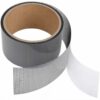
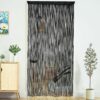
This door screen repair kit tape is easy to DIY fix any screen whether it's a door or window
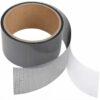
No tools required! Just cut & place whatever size you want to repair the holes & tears in your insect screen door. 2m Long Tape | 50mm Wide
all prices include GST
FREE DELIVERY ACROSS AUSTRALIA ON ALL ORDERS $50 or more (save $27.50)
SPECIFICATIONS
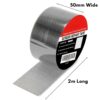
- 2m Long x 50mm Wide
ALLOW UP TO 7 WORKING DAYS FOR DELIVERY AFTER DISPATCH WITHIN 2 WORKING DAYS
Direct To Your Door - All Across Australia
2m Long Tape | 50mm Wide
EASY TO USE
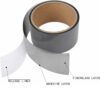
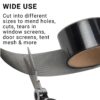
Our window screen repair kit tape is easy to application and quick to repair; No tool is needed! Just cut and place whatever size you want to repair the tears and holes in your screen.WIDE APPLICATION
 Frequently Asked Questions

Screen Door Patch Kit Guide: Everything About Porch Screen Repair Kits and Screen Door Patch Tape
Screen door patch kits provide economical, practical solutions for repairing torn, punctured, or damaged screening without requiring complete screen replacement.
The appeal of screen repair kits lies in their accessibility, economy, and speed. Rather than removing damaged screens, purchasing replacement screening material, and rescreening entire panels, simple patches address localized damage quickly and effectively.
Understanding Screen Door Patch Solutions
Screen door patch kits encompass various products designed to repair different types of screen damage using methods ranging from simple adhesive patches requiring no tools to more involved sewing repairs creating nearly invisible fixes.
The patch materials, adhesives, and application methods vary considerably across products, with some suited to quick temporary repairs while others create permanent fixes lasting years. Understanding these differences helps select appropriate solutions for specific damage, screen materials, and longevity requirements ensuring repairs meet expectations and justify the effort invested in application.
When to Repair Versus Replace Screens
Screen repair makes excellent sense for localized damage including small tears, punctures, or holes affecting limited areas while surrounding screening remains in good condition.
Generally, damage smaller than several inches across and limited to one or few locations accepts patching effectively.
Types of Screen Damage
Different damage types affect repair approach selection. Clean tears from sharp objects typically accept stitching or adhesive patches well. Puncture holes from impacts benefit from simple patch coverage. Pet damage including scratching or chewing creates irregular damage sometimes challenging to repair effectively.
Types of Screen Patch Kits and Materials
Screen repair products encompass diverse approaches each serving specific applications and damage types.
Adhesive Patch Squares
Self-adhesive patch squares represent the simplest repair method, using pre-cut mesh patches with adhesive backing that sticks directly to damaged screening. These patches require no tools, sewing, or special skills, making them accessible to anyone regardless of handiness or experience.
The patch mesh should match or complement existing screening color and weave density ensuring repairs blend reasonably well rather than creating obvious mismatches.
Screen Repair Tape
Screen patch tape comes in rolls allowing customized patch sizing for various damage dimensions. The tape-style format suits longer tears or irregular damage shapes where pre-cut squares prove awkward. Application involves cutting appropriate lengths and applying adhesive tape over damaged areas creating repairs sized precisely to needs.
Mesh tape typically features fiberglass or similar screening material with adhesive backing, available in various colors including gray, black, and charcoal matching common screen colors.
Sew-On Patch Material
Traditional sew-on patches use screening material without adhesive backing, attached by sewing or stitching around patch perimeters. This method creates more permanent, often less visible repairs compared to adhesive alternatives, though requiring basic sewing skills and more time investment.
The sewing approach works particularly well for fiberglass screening where strong adhesives may not bond as effectively as with other materials, and for repairs where maximum longevity and minimal visibility matter significantly.
Two-Part Patch Systems
Some patch kits use two-part systems sandwiching damaged screening between patch layers on both screen sides.
Liquid Screen Repair Adhesives
Liquid adhesives designed for screen repair allow users to close small tears by coating damaged areas with flexible adhesive that dries clear or matches screen colors. This approach suits tiny tears or holes where patches would prove excessive while providing quick fixes for minor damage.
Materials and Compatibility
Matching patch materials to existing screening ensures successful repairs that adhere properly and blend acceptably.
Fiberglass Screen Patches
Fiberglass represents the most common screening material, and most patch kits target fiberglass screen repair. The woven fiberglass accepts adhesives reasonably well when surfaces are clean and dry, while sewing remains possible though slightly more challenging than with fabric screens.
Aluminum Screen Repair
Metal aluminum screening requires specialized patches or sewing approaches as some adhesives bond poorly to metal surfaces.
Solar and Specialty Screen Patching
Specialty screening including solar screens or privacy mesh may require matching patch materials maintaining the specific properties these screens provide. Standard patch kits may not match specialized screening characteristics creating visible or functional mismatches.
Selecting Appropriate Patch Kits
Choosing suitable screen repair products involves evaluating factors ensuring selected solutions work effectively for specific situations.
Assessing Damage Size and Type
Small punctures or tears accept simple adhesive patches effectively. Larger damage may require tape allowing custom sizing or sew-on patches providing maximum coverage. Evaluate damage dimensions and characteristics selecting appropriately capable repair products.
Visibility Concerns
Highly visible screens benefit from patches matching screening color and texture as closely as possible creating less obvious repairs. Back doors or utility screens where appearance matters less accept more visible patches prioritizing function over aesthetics.
Application Process for Adhesive Patches
Surface Preparation
Clean damaged areas thoroughly using mild detergent and water, allowing complete drying before patch application.
For particularly dirty or grimy screens, alcohol wipes provide final cleaning removing residual contamination and ensuring maximum adhesive bond strength.
Sizing and Positioning Patches
For tape products, cut lengths providing adequate overlap while avoiding excessive material creating bulky, obvious repairs.
Application Technique
Remove adhesive backing and position patches carefully over damage, starting at one edge and smoothing toward opposite sides preventing air bubbles or wrinkles that compromise appearance and adhesion. Apply firm pressure across entire patch surfaces ensuring complete adhesive contact with screening.
Some patches benefit from additional pressure application using hard smooth objects like credit cards or spatulas forcing adhesive into screening mesh for maximum bond strength.
Curing and Setting Time
Follow manufacturer recommendations regarding curing periods.
Sewing Screen Repairs
Materials and Tools Needed
Sewing screen repairs requires appropriate screening material matching or complementing existing screens, strong thread in matching or neutral colors, and needles suitable for sewing through screen mesh without excessive difficulty or damage.
Repair Techniques
For tears, align torn edges and stitch closed using small, close stitches preventing gaps where insects might enter. For holes or missing sections, cut patch material slightly larger than damage and stitch around patch perimeters securing firmly to surrounding intact screening.
Special Repair Situations
Certain damage types or circumstances require modified approaches beyond standard patching.
Large Tears and Extensive Damage
Damage exceeding several inches may require multiple patches or reinforcement strategies. Consider whether extensive patching provides satisfactory results or whether complete rescreening makes more sense both economically and aesthetically.
Corner and Edge Damage
Damage at screen edges or corners presents challenges as patches may have limited intact screening for adhesion. These situations often benefit from removing screens and properly rescreening or using mechanical attachment methods securing patches to frames.
Pet Damage Patterns
Repeated scratching or chewing creates irregular damage sometimes requiring creative patching approaches or acknowledgment that standard repairs may prove temporary if pets continue destructive behavior. Consider pet-resistant screening replacement for chronic pet damage situations.
Aged and Deteriorated Screening
Patching screening that is generally aged and weakened may provide only temporary relief before adjacent areas develop new damage. Sometimes patches merely delay inevitable complete replacement rather than providing lasting solutions.
Maintenance and Longevity
Proper care extends patch life while maintaining repair effectiveness.
Monitoring Patch Adhesion
Periodically inspect patches for signs of lifting, peeling, or adhesive failure particularly after weather extremes or seasonal changes. Early detection of failing patches allows reapplication before complete failure and renewed insect entry.
Cleaning Around Patches
When cleaning screens, treat patched areas gently avoiding excessive scrubbing or pressure that might disturb adhesive bonds. Use soft brushes or cloths and gentle cleaning solutions maintaining rather than compromising patch integrity.
Common Patch Kit Problems and Solutions
Understanding typical issues helps troubleshoot problems and improve repair success.
Insects Entering Around Patches
Reapplication with more generous overlap or supplementary patches addressing gaps solves this issue.
DIY Patch Creation
Creative individuals can create custom patches from screening material and adhesives.
Sourcing Materials
Small amounts of screening material can be purchased from hardware stores, often sold by the foot or in small rolls.
Creating Custom Patches
Cut screening to appropriate sizes for damage coverage and apply adhesive either to patch backing or directly to damaged screen areas, then position and press patches firmly creating bonds. This approach allows custom sizing and material selection though requiring more effort than commercial patch kits.
Commercial and Professional Applications
Businesses use screen patches as part of property maintenance programs.
Rental Property Management
Property managers use patch kits for quick screen repairs between tenants or addressing minor damage without expensive rescreening. The economical, fast repairs maintain property condition while controlling maintenance costs.
Hospitality and Recreation
Hotels, resorts, and campgrounds use patches for immediate screen repairs maintaining guest comfort and facility appearances without delays waiting for professional rescreening services.
Practical Solutions for Screen Damage
Screen door patch kits represent practical, economical solutions extending screen life while maintaining insect barrier integrity without the time, expense, or complexity of complete rescreening.
While patches cannot match the pristine appearance or comprehensive restoration that complete rescreening provides, they offer practical middle-ground solutions serving effectively until rescreening becomes necessary or economical.