



The complete guide
Buying Guide
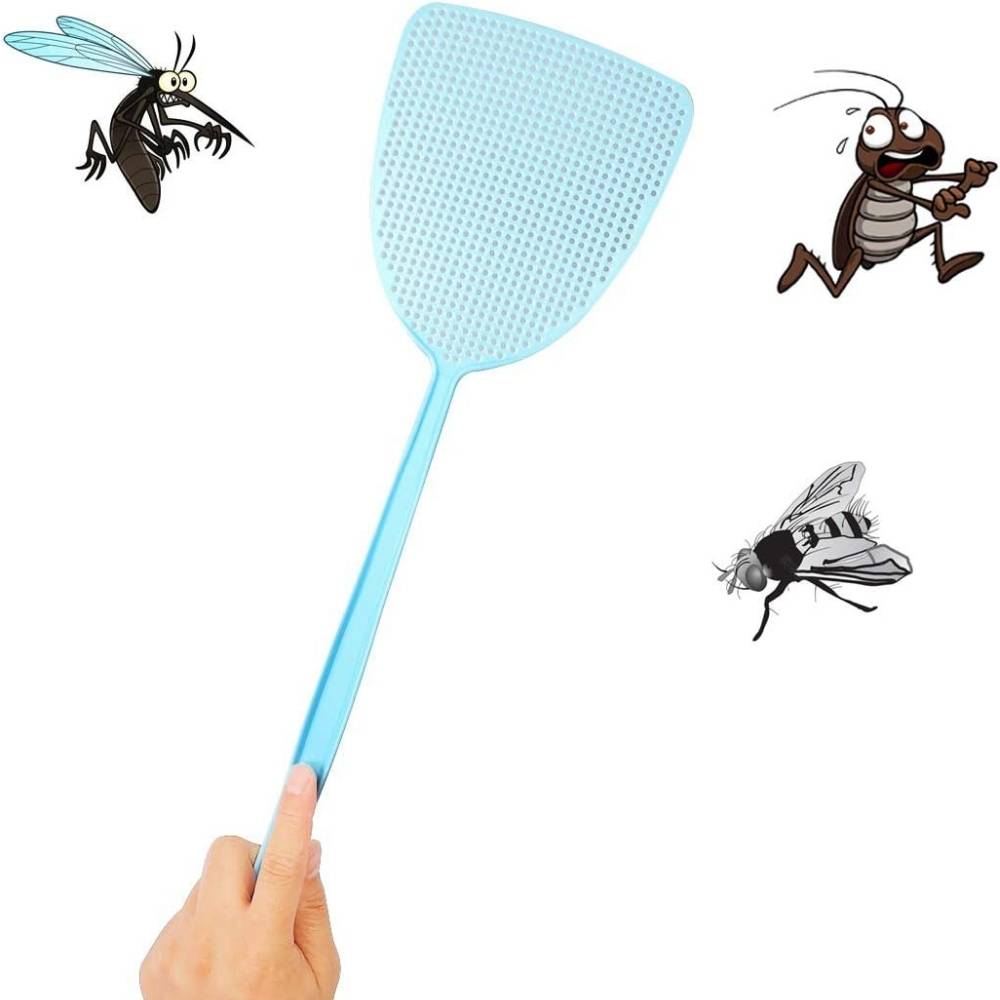
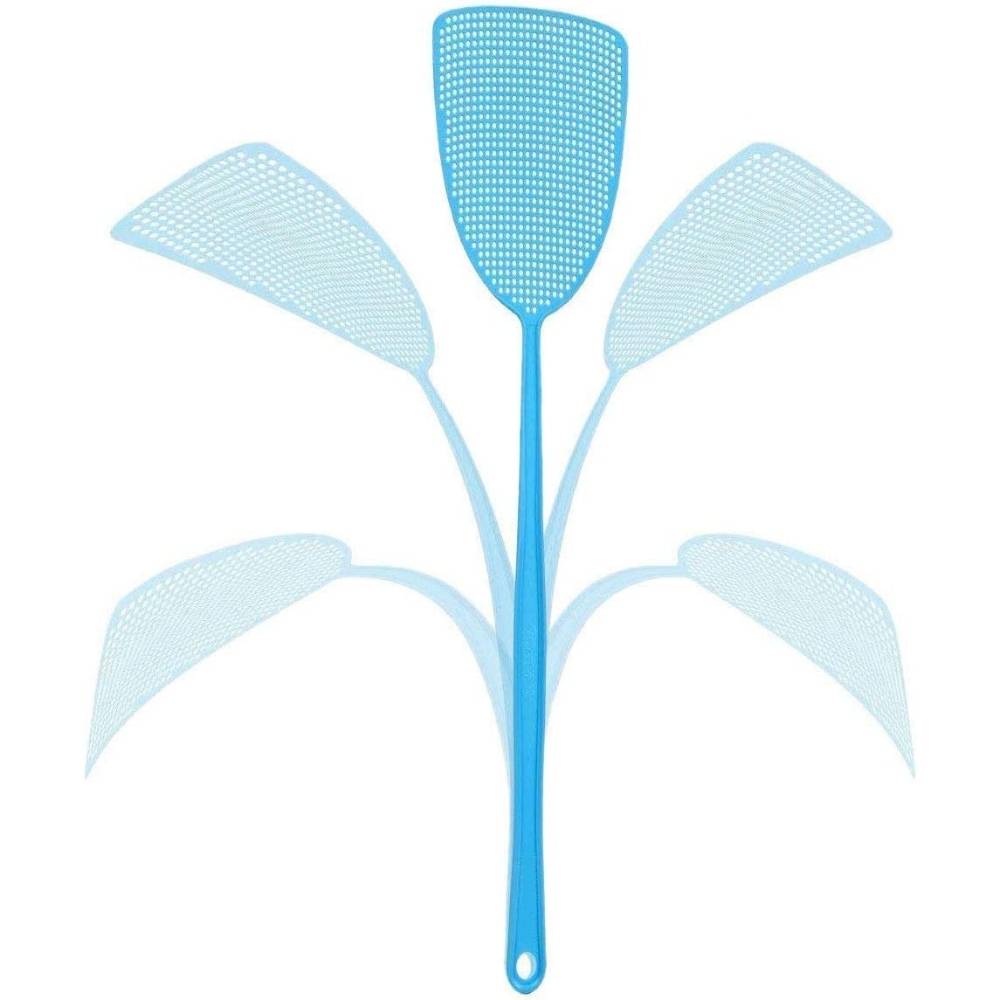
This plastic swat for flies is designed with a bigger swatter area which helps you hit flies, mosquitos, & pesky bugs quickier & accurately
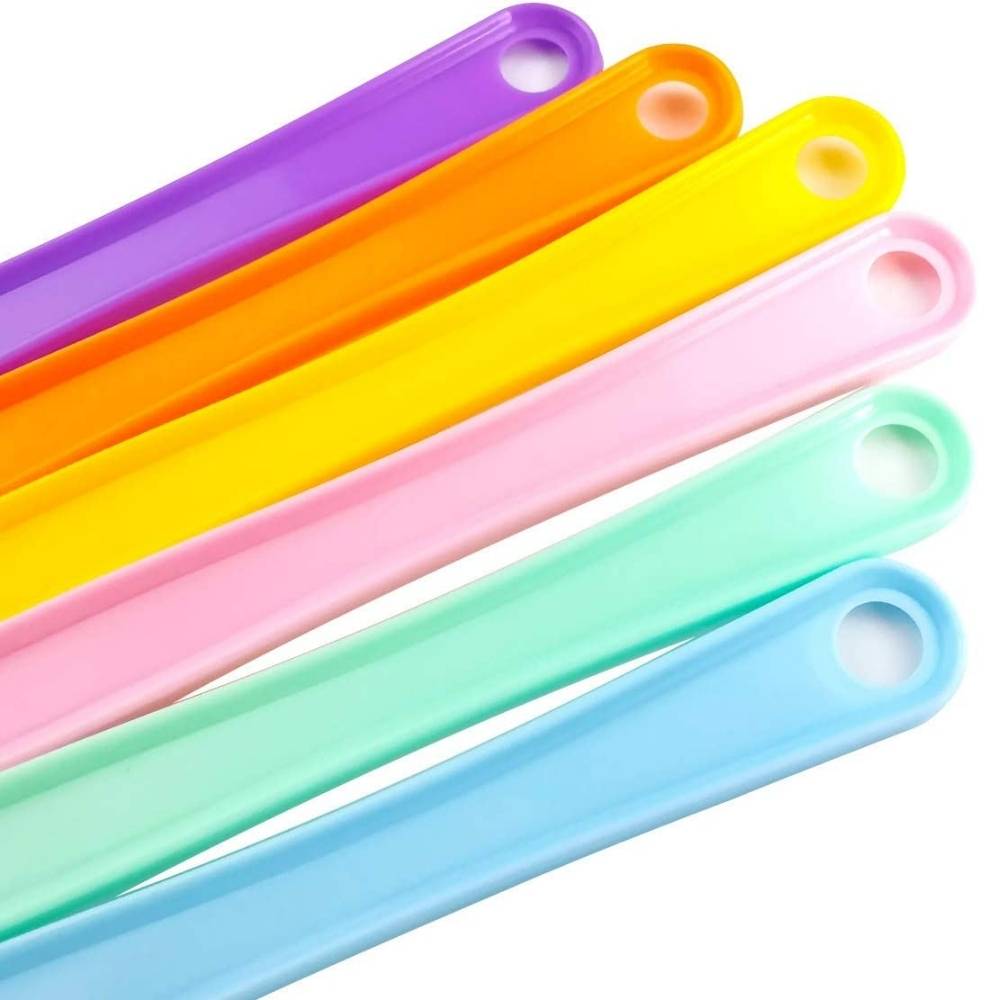
The plastic fly swatter is made of plastic which is heavy duty & durable. The handle is designed with hanging hole for easy storage. Multi Coloured x5 Pack
all prices include GST
FREE DELIVERY ACROSS AUSTRALIA ON ALL ORDERS $50 or more (save $27.50)
This hand swat fly repellent will not scratch or damage your household surfaces. Simply swat, scoop up the pest and flick it into the rubbish bin.
Make of high quality ABS plastic. The swat for flies can bend & won't break when you swat.
SPECIFICATIONS

DUE TO CURRENT DEMAND ALLOW UP TO 7 WORKING DAYS FOR DELIVERY AFTER DISPATCH WITHIN 2 WORKING DAYS
Direct To Your Door - All Across Australia
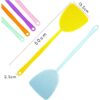
Multi Coloured x5 Pack


Swatting area of fly swatter
11.2 x 12.5 cm which allows you to swat various pests not only flying flies, mosquitoes, but also crawling insects.
Length of swatter
43 cm long handle makes it easy to swat a fly even at a long distance. Handle is designed to fit any hands, comfortable and easy to grip.Heavy Duty
heavy duty manual fly swatter is great for using in kitchen, patio, office, classroom, patios and more. And this portable fly swatter can be hung easily with the hanging loop and it won't take up any space. It also can be stored in a cabinet if needed.
 Frequently Asked Questions

Plastic Fly Swatter Guide: Everything About Plastic Swatters and Fly Swats
Plastic fly swatters represent one of the most enduring, simple, and effective tools for eliminating individual flies, mosquitoes, and other flying insects that invade homes and living spaces. These straightforward implements combine lightweight plastic construction with flat hitting surfaces designed to deliver quick, decisive strikes that eliminate flying pests instantly without chemicals, electricity, or complex mechanisms. The appeal lies in immediate satisfaction, precise targeting, zero operating costs beyond initial purchase, and the active engagement that many people find more satisfying than passive pest control methods.
Understanding what makes certain plastic swatters more effective than others, proper technique maximizing elimination success rates, when swatters represent optimal solutions versus alternative approaches, and how to select quality swatters delivering reliable long-term service helps you choose and use these humble yet remarkably effective tools that have served households worldwide for generations. Despite technological advances in pest control, the basic plastic fly swatter remains relevant and valuable for targeted individual insect elimination that other methods cannot match for speed, precision, and cost-effectiveness.
Understanding Plastic Fly Swatter Design
Plastic fly swatters use fundamentally simple designs combining long handles providing reach and leverage with flat perforated heads creating striking surfaces that deliver lethal force to insects while allowing air to pass through preventing insects from being pushed away by air pressure created during swinging motions. This ingenious perforation feature represents the key innovation separating effective fly swatters from simple solid paddles that would merely blow insects away rather than striking them successfully.
The plastic construction offers specific advantages including lightweight handling reducing user fatigue during repeated swinging, resistance to moisture and weather allowing both indoor and outdoor use, easy cleaning maintaining hygiene after insect elimination, and economical manufacturing creating accessible products available to virtually everyone regardless of budget constraints.
The Science Behind Perforated Heads
The holes or mesh patterns in swatter heads serve critical functions beyond simple decoration. When solid objects move rapidly through air, they create pressure waves that can push lightweight objects like flying insects away before contact occurs. The perforations allow air to flow through swatter heads reducing this pressure wave effect and enabling swatters to make solid contact with insects that would otherwise be blown aside by approaching solid surfaces.
The size, spacing, and pattern of perforations affect swatter performance, with optimal designs balancing adequate air flow against maintaining structural integrity and delivering sufficient impact force eliminating insects reliably.
Handle Length and Leverage
Swatter handle length determines reach enabling users to strike insects on ceilings, walls, or other surfaces beyond arm's reach while providing leverage amplifying swinging force. Standard handles typically range from 16 to 20 inches long creating good balance between reach, control, and portability, while extended models may exceed 24 inches providing maximum range for high ceilings or hard-to-reach locations.
Types of Plastic Fly Swatters
Plastic swatter designs vary serving different preferences, applications, and aesthetic sensibilities.
Standard Classic Swatters
Traditional plastic fly swatters feature simple rectangular or slightly oval heads attached to straight handles, often in bright colors like red, yellow, or blue making them easily visible and simple to locate when needed. These utilitarian designs prioritize function over form, providing reliable insect elimination at minimal cost.
Ergonomic and Contoured Designs
Modern swatters may incorporate ergonomic handles with contoured grips, textured surfaces preventing slipping, or shaped designs fitting hands more comfortably during extended use. These refinements enhance user experience particularly for situations requiring multiple swings or prolonged swatter readiness.
Decorative and Novelty Swatters
Beyond purely functional designs, decorative swatters feature artistic shapes, whimsical designs, or aesthetically pleasing appearances making them acceptable display items rather than tools hidden away between uses. Novelty swatters might incorporate humorous graphics, unique shapes, or creative color combinations appealing to consumers wanting personality alongside functionality.
Heavy-Duty Commercial Swatters
Industrial or commercial settings benefit from reinforced swatters using thicker, stronger plastic withstanding intensive daily use in restaurants, food processing facilities, or other environments where fly elimination occurs frequently throughout workdays. The enhanced durability justifies modest premium costs through extended service life.
Compact and Portable Swatters
Travel-sized or compact swatters feature shortened handles or folding designs creating portable insect control tools for camping, RVs, boats, or any mobile application where space constraints make full-size swatters impractical but insect elimination capability remains valuable.
Extendable Telescoping Swatters
Telescoping handles extend when needed for maximum reach then collapse to compact dimensions for storage. These versatile designs combine portability with reach, suiting applications requiring both characteristics like RVs, small apartments, or packed storage situations.
Material Composition and Quality
Not all plastic swatters are created equal, with material quality significantly affecting performance, durability, and user satisfaction.
Plastic Types and Properties
Swatters typically use various plastic polymers including polypropylene offering good flexibility and impact resistance, polystyrene providing economical production though potentially less durability, or ABS plastics combining strength with reasonable flexibility. The plastic formulation affects how swatters withstand repeated use, temperature extremes, and general handling without cracking, breaking, or losing effectiveness.
Thickness and Structural Integrity
Adequate plastic thickness creates swatters strong enough to deliver lethal strikes without excessive flex or bending that would absorb impact energy rather than transferring it to targeted insects. However, excessive thickness creates heavy, unwieldy swatters causing user fatigue. Quality designs balance strength against weight creating effective, comfortable tools.
Perforation Design Quality
Well-designed perforations maintain clean edges without rough burrs or sharp points that might snag on surfaces or create injury risks. The perforation pattern should distribute evenly across swatter heads maintaining consistent structural integrity rather than creating weak spots prone to cracking or breaking.
Color and UV Resistance
Plastic swatters using UV-resistant formulations or colorants maintain appearance and structural integrity longer when exposed to sunlight compared to economy plastics that fade, become brittle, or deteriorate prematurely from sun exposure particularly relevant for outdoor or window-area storage locations.
Benefits of Plastic Fly Swatters
Despite simple construction, plastic swatters offer multiple advantages making them enduringly popular pest control tools.
Immediate and Targeted Elimination
Swatters provide instant results against specific insects you can see and target, unlike passive traps or area treatments requiring time to work. The immediacy proves satisfying while the precision prevents unnecessary treatment of areas where insects are not present.
Chemical-Free Operation
No pesticides, repellents, or other chemicals are required, eliminating concerns about chemical exposure near food preparation areas, children, pets, or chemically-sensitive individuals. The purely mechanical elimination creates no residues or environmental contamination.
Zero Operating Costs
After initial purchase requiring minimal investment, swatters operate indefinitely without batteries, electricity, replacement parts, or consumables. The complete absence of ongoing costs makes swatters the most economical pest control option available.
Quiet and Discreet Operation
Unlike electric zappers producing noise or fans creating air movement, swatters operate silently until striking surfaces. The quiet approach suits situations requiring minimal disturbance including offices, libraries, bedrooms, or any environment where noise matters.
Portability and Accessibility
Lightweight plastic construction creates highly portable tools easily moved between rooms, taken outdoors, or transported anywhere insects require elimination. The simplicity means swatters remain functional regardless of power availability, weather conditions, or environmental factors affecting more complex pest control methods.
Satisfaction and Engagement
Many people find active fly hunting more satisfying than passive control methods, with successful swats providing immediate feedback and sense of accomplishment that traps or repellents cannot match. The engagement transforms pest control from frustrating problem to manageable challenge with clear, immediate results.
Selecting Quality Plastic Swatters
Choosing effective swatters involves evaluating features distinguishing superior products from disappointing alternatives.
Assessing Build Quality
Examine swatter construction for uniform plastic thickness, clean perforation edges, secure handle attachment to heads, and overall sturdy feel without excessive flexibility or flimsy construction. Quality swatters feel substantial and well-made rather than cheap or fragile.
Evaluating Handle Comfort
Handles should feel comfortable during gripping and swinging with appropriate thickness for hand sizes and textures or contours enhancing grip security. Test swinging motion when possible ensuring handles feel balanced and controllable rather than awkward or uncomfortable.
Considering Head Size
Larger swatter heads provide bigger striking areas increasing hit probability but may prove unwieldy in tight spaces or require more force during swinging. Smaller heads offer greater precision and maneuverability. Consider your typical fly-swatting environments when evaluating appropriate head dimensions.
Checking Perforation Patterns
Effective perforation patterns balance adequate air flow with structural strength. Patterns that appear too sparse may not provide sufficient air passage, while excessive perforations might weaken swatter heads. Well-designed patterns distribute evenly creating consistent performance across entire hitting surfaces.
Evaluating Length for Applications
Match swatter length to typical use environments. Standard lengths suit most homes, while high ceilings benefit from extended models. Storage space limitations or portable applications favor compact designs. Consider where and how you will primarily use swatters when selecting appropriate lengths.
Effective Swatting Technique
Successful fly elimination requires technique beyond simply swinging wildly at insects.
Approaching Target Insects
Move slowly and deliberately when approaching flies, as sudden movements trigger flight responses. Position yourself for optimal striking angles before initiating swings, accounting for likely insect escape directions and positioning swatters to intercept flight paths.
Swing Speed and Force
Effective swats require swift, decisive swings generating sufficient impact force while maintaining accuracy. Practice smooth acceleration rather than tense jerky motions that reduce accuracy and telegraphing intentions allowing insects to escape before contact.
Leading Moving Targets
Flying insects move rapidly requiring swatters to strike where insects will be rather than where they currently are. Develop instincts for leading targets, aiming slightly ahead of flight paths intercepting insects rather than following behind.
Surface Considerations
Swatting insects against solid surfaces like walls, ceilings, or windows proves more effective than attempting mid-air strikes that allow insects to be pushed aside by air pressure. Position strikes trapping insects against surfaces ensuring contact and elimination.
Protecting Delicate Surfaces
Exercise caution when swatting near delicate surfaces, valuable objects, or easily damaged materials. The swinging force can knock items over, mark surfaces, or cause damage if strikes miss insects and impact surrounding areas with full force.
Maintenance and Hygiene
Proper swatter care maintains hygiene and extends tool lifespan.
Cleaning After Use
Insect residue accumulates on swatter heads requiring periodic cleaning. Rinse plastic swatters with water or wipe with damp cloths and mild detergent removing insect remains and maintaining sanitary conditions. The plastic construction tolerates water exposure without damage or deterioration.
Disinfection Practices
Particularly in food preparation areas or healthcare settings, periodic disinfection using appropriate sanitizing solutions ensures swatters do not become contamination sources. The plastic materials accept most common disinfectants without damage when used according to product instructions.
Storage Considerations
Store swatters in accessible locations allowing quick deployment when insects appear while protecting from physical damage. Wall hooks, drawer storage, or dedicated holders keep swatters ready without creating clutter or occupying excessive space.
Inspecting for Damage
Periodically examine swatters for cracks, broken perforations, or other damage compromising effectiveness or creating sharp edges that might cause injury. Replace damaged swatters rather than continuing use of compromised tools.
Applications and Use Cases
Plastic fly swatters serve diverse situations where individual insect elimination matters.
Residential Indoor Use
Homes benefit from strategically placed swatters in kitchens, dining areas, bedrooms, or other spaces where occasional fly intrusions occur. The immediate elimination capability provides satisfaction and hygiene maintenance that passive methods cannot match.
Outdoor and Patio Applications
Outdoor dining, entertaining, or relaxation areas face fly challenges that swatters address through targeted elimination of insects bothering specific individuals or areas without treating entire outdoor spaces.
Commercial Food Service
Restaurants, cafeterias, and food preparation facilities use swatters for immediate fly elimination in food handling areas where chemical treatments are restricted and immediate insect removal proves essential for hygiene and customer satisfaction.
Office and Workplace Settings
Commercial offices facing occasional fly problems benefit from discreet swatter availability allowing employees to eliminate nuisance insects without maintenance calls or management intervention for minor pest issues.
Camping and Outdoor Recreation
Portable swatters provide chemical-free insect control for camping, picnics, or outdoor activities where flies and other insects concentrate around food and people in natural settings.
Agricultural and Livestock Operations
Farms and agricultural operations use swatters for targeted fly control in specific areas including milking facilities, animal handling areas, or farm buildings where individual insect elimination complements broader pest management programs.
Comparing Swatters to Alternative Methods
Understanding how swatters compare to other pest control helps determine optimal solutions for specific situations.
Swatters Versus Electric Zappers
Zappers provide automated passive elimination but require electricity, create noise, may kill beneficial insects, and cannot target specific problem insects. Swatters offer precise targeting, zero operating costs, and complete control over what gets eliminated though requiring active effort.
Swatters Versus Chemical Sprays
Chemical sprays provide broader area treatment but introduce pesticides near living spaces creating exposure concerns. Swatters eliminate specific insects without chemicals though requiring individual targeting rather than area-wide application.
Swatters Versus Traps
Traps work passively and continuously but require placement, maintenance, and often consumable attractants or sticky surfaces. Swatters provide immediate results on demand without setup or ongoing supply needs though requiring insects to be visible for targeting.
Swatters Versus Screens and Barriers
Screens prevent entry creating comprehensive protection but require installation and may not address insects already inside. Swatters eliminate interior insects that penetrated barriers, complementing rather than replacing physical exclusion methods.
Safety Considerations
While generally safe, swatter use involves awareness preventing injury or damage.
Avoiding Injury During Swinging
Vigorous swinging creates injury potential if users strike themselves, others, or objects accidentally. Maintain awareness of surroundings, clear adequate swing space, and control swinging force preventing accidents from excessive enthusiasm during fly pursuit.
Protecting Nearby Objects
Missed swings can knock over objects, break fragile items, or damage surfaces. Clear swatting areas of valuable or breakable items when possible, and exercise control preventing wild swinging that endangers surrounding property.
Hygiene and Cross-Contamination
Swatters contact insects carrying bacteria or pathogens, potentially transferring contamination to surfaces if swatters are not cleaned or if used improperly near food. Maintain swatter hygiene and avoid swatting directly over food preparation surfaces.
Child Safety
While swatters pose minimal inherent danger, children swinging swatters enthusiastically might strike others, break objects, or injure themselves. Supervise young children using swatters and teach appropriate restraint and awareness.
Environmental and Sustainability Aspects
Plastic swatters involve environmental considerations worth examining.
Longevity and Waste Reduction
Quality swatters lasting years or decades generate minimal waste compared to disposable pest control products requiring constant replacement. The durability creates environmental benefits through reduced consumption and waste generation.
Plastic Production Impacts
Manufacturing plastic swatters consumes petroleum-based resources and energy. However, the minimal material quantities, long useful life, and elimination of chemical pesticide needs create favorable overall environmental profiles compared to many alternative pest control methods.
End-of-Life Disposal
Plastic swatters reaching end of useful life typically enter general waste streams. Some recycling programs accept certain plastic types used in swatter construction, though small item recycling faces practical challenges. The small quantities involved create modest individual environmental impacts.
Chemical-Free Pest Control
By eliminating insects mechanically without pesticides, swatters prevent chemical introduction into environments, reducing pollution and exposure risks that chemical alternatives create despite their plastic construction concerns.
Cultural and Historical Context
Fly swatters occupy interesting positions in human culture beyond their practical utility.
Evolution of Swatter Design
Early fly swatters used materials including leather, wire mesh, or fabric before plastic manufacturing created economical mass-produced versions democratizing access to effective fly control. The basic perforated head design has remained remarkably consistent across decades, testament to its functional effectiveness.
Cultural Significance
Fly swatters appear in idioms, humor, and cultural references symbolizing active problem-solving, immediate action, or dealing with annoyances directly. The universal familiarity makes swatters recognizable symbols transcending cultural boundaries.
Regional Variations
Different regions show preferences for particular swatter styles, colors, or designs reflecting local aesthetics, manufacturing traditions, or practical considerations related to regional architecture or insect challenges.
Innovation and Modern Developments
Even simple products like plastic swatters continue evolving through innovation.
Material Improvements
Advanced plastic formulations create stronger, more durable swatters with better UV resistance and longevity. Antimicrobial plastic additives reduce bacterial growth on swatter surfaces enhancing hygiene.
Ergonomic Refinements
Ongoing design improvements enhance user comfort through better grip designs, optimized weight distribution, and refined dimensions creating more effective, comfortable tools based on user feedback and ergonomic research.
Specialty Applications
Niche swatter designs address specific needs including food-safe materials for commercial kitchens, ESD-safe plastics for electronics manufacturing environments, or specialized geometries for particular insect species or environments.
The Enduring Utility of Simple Solutions
Plastic fly swatters exemplify how simple, well-designed tools continue serving essential functions despite technological advancement creating complex alternatives. The humble swatter persists through genuine effectiveness, unmatched economy, universal accessibility, and the satisfaction immediate results provide that passive or automated methods cannot replicate regardless of sophistication or investment.
Success with plastic swatters requires surprisingly little beyond acquiring quality tools, developing basic technique through practice, maintaining hygiene through periodic cleaning, and accepting that some situations benefit from simple mechanical solutions more than elaborate technological interventions attempting to automate what human observation and action accomplish efficiently.
The combination of zero operating costs, chemical-free operation, precise targeting capability, immediate feedback, and complete independence from electricity or supplies creates value propositions that complex alternatives struggle to match when individual insect elimination is the goal. For households, businesses, or anyone dealing with occasional flying insect intrusions, quality plastic swatters represent essential tools delivering reliable performance through elegantly simple designs that have served humanity effectively for generations.
Whether protecting food preparation areas from contamination, eliminating bedroom mosquitoes preventing sleep, removing office flies annoying workers, or simply addressing the universal challenge of unwanted insects sharing human spaces, plastic fly swatters provide proven solutions combining effectiveness with economy in packages accessible to virtually everyone regardless of budget, technical capability, or access to complex pest control systems.
Your perfect plastic swatter awaits, ready to deliver immediate, satisfying, chemical-free insect elimination through simple mechanical action refined over decades into remarkably effective tools that work precisely because they embrace rather than complicate the straightforward task of removing individual unwanted insects from spaces where they do not belong. Embrace the simplicity, appreciate the effectiveness, and enjoy the satisfaction that comes from wielding one of humanity's most enduring and practical implements in the eternal contest between people and the flying insects that persistently intrude into our homes and lives.