


The complete guide
Buying Guide
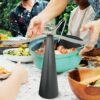
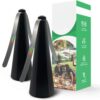
The table fly fan is perfect for BBQs, indoor & outdoor parties, grilling, & picnics
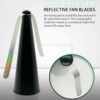
Built with soft-touch, high quality fan blades. The blades are designed to immediately stop when they contact an object
all prices include GST
FREE DELIVERY ACROSS AUSTRALIA ON ALL ORDERS $50 or more (save $27.50)
Keep Pests off Guests - With the table fly fan / bug repellent fan, you can stop using stinky sprays, nasty flypaper and useless candles for a chemical-free alternative.
Quietly prevent flies & insects from interrupting your time. They won't get near the fly fans or your meals.
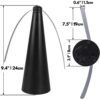
SPECIFICATIONS
RECOMMENDATION - How Many For My Table Size


DUE TO CURRENT DEMAND ALLOW UP TO 7 WORKING DAYS FOR DELIVERY AFTER DISPATCH WITHIN 2 WORKING DAYS
Direct To Your Door - All Across Australia

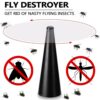
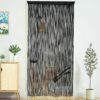
Repel Bugs from your Airspace
With the bug repellent fan, you can stop using stinky sprays, nasty flypaper and useless candles for an eco-friendly chemical-free alternative. Quietly prevent flies & insects from interrupting your timePortable and Pest-Free Everywhere
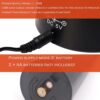
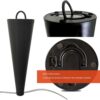
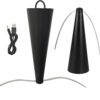
The bug repellent fan is powered by battery or DC adapter (included), lightweight and completely portableSafety First
Built with soft-touch, high-quality fan blades. Designed to immediately stop when they contact an object. Enjoy peace of mind without worrying about little hands getting hurt.Whisper Quiet
Spend more time conversing with friends. Simply switch the fan on and get ready to enjoy the outdoors in pest-free peace and quiet. A constant blade speed keeps insects well out of range of the fan at all times. For larger gatherings order 2 or more fans to pest-proof wide areaNo more Pests on Guests
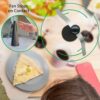
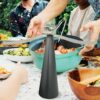
The eco-friendly bug fan is perfect for BBQs, indoor and outdoor parties, grilling, and picnics. Enjoy free time with guests on the porch, deck or patio. Perfect for restaurants or events where pests on guests is very embarrassing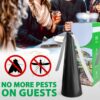



 Frequently Asked Questions

Fly Repellent Fan Guide: Everything About Table Fly Fans and Fly Fans For Food
Fly repellent fans represent innovative, chemical-free solutions for protecting food from flies during meals, outdoor gatherings, picnics, and food service operations. These clever devices use gentle air currents, spinning reflective blades, and sometimes holographic patterns to create environments that flying insects instinctively avoid, allowing you to enjoy meals without the constant annoyance of flies landing on food, buzzing around plates, or requiring constant hand-waving to shoo persistent pests away from dining areas.
Unlike chemical repellents that introduce substances near food or traditional fly control methods requiring constant vigilance, fly repellent fans provide passive, automatic protection operating continuously throughout meals creating fly-free zones around food without effort, attention, or concerns about chemical exposure. Understanding how these ingenious devices work, what features distinguish effective models from disappointing alternatives, and how to use them optimally ensures you achieve the peaceful, hygienic dining experiences that make fly fans increasingly popular solutions for both residential and commercial food protection applications.
Understanding Fly Repellent Fan Technology
Fly repellent fans combine multiple fly-deterring mechanisms into single devices creating zones where flies are reluctant to venture despite strong attraction to food. The technology relies on exploiting natural fly behaviors and sensory responses rather than physically blocking insects or eliminating them through trapping or killing.
The primary mechanisms include gentle air movement from soft spinning blades creating currents that interfere with fly flight patterns, reflective or holographic blade surfaces creating light patterns and visual disturbances that flies perceive as threats or unstable environments, and the movement itself creating environments that flies instinctively avoid as potentially dangerous or unpredictable.
How Air Movement Deters Flies
Flies are lightweight insects whose flight capabilities are significantly affected by air currents. The gentle, constant air movement created by fly fan blades disrupts the stable air flies prefer for landing and feeding. While the air currents are too gentle to blow flies away forcefully, they create enough instability that flies find the area undesirable compared to nearby locations without air movement.
This subtle interference proves remarkably effective at keeping flies from landing on food beneath or near operating fans without creating uncomfortable drafts for diners or disturbing lightweight items like napkins or tablecloths.
The Role of Reflective and Holographic Surfaces
Many fly repellent fans feature blades with reflective metallic finishes or holographic patterns that create moving light displays as blades spin. These visual effects prove particularly effective at deterring flies, as the insects perceive the constantly changing light patterns as potential predators, danger signals, or unstable environments best avoided.
Research into insect vision and behavior confirms that flies rely heavily on visual cues for navigation and threat detection. The spinning reflective surfaces create visual chaos from a fly's perspective, triggering avoidance responses that keep insects away from protected food areas.
Combining Multiple Deterrent Factors
The most effective fly repellent fans combine air movement, visual deterrents, and sometimes additional features like colored blades or specific spin patterns creating comprehensive protection through multiple simultaneous deterrent mechanisms. This multi-factor approach proves more effective than single-mechanism solutions as flies encountering multiple uncomfortable stimuli are more likely to seek feeding opportunities elsewhere.
Types of Fly Repellent Fans
Fly fan designs vary to serve different applications, settings, and preferences.
Table Fly Fans for Indoor Dining
Standard table fly fans designed for indoor meal protection typically feature compact bases sitting on dining tables with multiple soft plastic blades spinning above food surfaces. These portable units protect individual place settings or small food serving areas, making them ideal for family meals, intimate gatherings, or protecting specific dishes during food preparation or serving.
The modest size allows easy positioning near plates, serving dishes, or food preparation areas without dominating table space or creating obtrusive presence during meals.
Large Coverage Outdoor Fly Fans
Outdoor dining and picnic applications benefit from larger fly fans with extended blade spans creating wider protection zones covering entire picnic tables or multiple place settings simultaneously. These more substantial units often feature heavier bases for stability in outdoor conditions and more robust construction withstanding outdoor exposure.
Hanging and Suspended Fly Fans
Some fly fan designs suspend from above using cords or mounting hardware, hanging over food tables or serving areas. The overhead positioning creates downward air currents covering broad areas while keeping table surfaces clear of equipment.
Suspended fans work particularly well for buffet tables, outdoor food service, or situations where table space is limited but overhead mounting options exist.
Battery-Powered Portable Units
Battery-operated fly fans offer ultimate portability for picnics, camping, outdoor events, or any situation lacking electrical power access. The cordless operation facilitates placement anywhere without proximity to outlets, though runtime depends on battery capacity and motor efficiency.
Electric Plug-In Models
Electric fly fans provide continuous operation without battery replacement concerns, ideal for restaurants, food service operations, or extended indoor dining situations. The constant power ensures consistent performance throughout long meals or continuous food service periods.
Combination Fans with Additional Features
Some advanced fly fans incorporate additional functions including LED lighting for evening outdoor dining, USB charging capabilities for modern convenience, or adjustable speed settings allowing customization of deterrent intensity based on fly pressure and environmental conditions.
Key Features in Quality Fly Fans
Distinguishing effective fly repellent fans from disappointing alternatives requires attention to specific design and construction features.
Blade Design and Material
Blade construction significantly affects deterrent effectiveness and durability. Quality fans use soft, flexible plastic blades that pose no injury risk if accidentally touched while spinning. The blades should be lightweight enough for smooth, quiet operation but substantial enough to create effective air movement.
Blade surface treatments including metallic coatings, holographic films, or specialized patterns enhance visual deterrent effects. Multiple blades create more comprehensive air disruption than single or dual blade designs.
Motor Quality and Noise Level
Quiet operation proves essential for dining applications where loud motor noise would create more annoyance than the flies themselves. Quality fly fans use efficient motors producing minimal noise even during continuous operation, maintaining peaceful dining atmospheres.
Motor durability determines whether fans provide reliable long-term service or fail after minimal use. Better motors withstand extended operation without overheating or performance degradation.
Stability and Base Design
Stable bases prevent fans from tipping during operation or when accidentally bumped. Heavier bases or wider footprints create stability, while some designs use suction cups or weighted bottoms enhancing security on smooth table surfaces.
Outdoor fans particularly benefit from enhanced stability features preventing wind or uneven surfaces from causing operational issues.
Speed and Coverage Area
Blade rotation speed affects both deterrent effectiveness and coverage area. Faster spinning creates more dramatic visual effects and air movement but may generate more noise. Adjustable speed settings allow customization balancing effectiveness against noise and power consumption.
Manufacturers often specify coverage radius or recommended protection area helping buyers select appropriately sized fans for specific applications.
Power Source and Runtime
For battery-powered units, runtime determines how long fans operate before requiring battery replacement or recharging. Longer runtime reduces inconvenience and ongoing battery costs. Some modern units use rechargeable batteries via USB charging, combining portability with economical operation.
Durability and Weather Resistance
Outdoor applications require fans withstanding sun exposure, humidity, and occasional rain or spills. Quality outdoor fly fans use UV-resistant plastics, corrosion-resistant components, and sealed motors protecting against moisture damage.
Applications and Use Cases
Fly repellent fans serve diverse situations where food protection from flying insects matters.
Indoor Family Dining
Home dining tables benefit from fly fans during warm months when open windows or doors allow fly entry. The fans protect meals without chemical sprays near food, creating pleasant dining experiences free from persistent fly annoyance.
Outdoor Dining and Entertaining
Backyard barbecues, patio dining, and outdoor entertaining face significant fly challenges as food odors attract insects from surrounding areas. Fly fans create protected zones allowing outdoor meal enjoyment without constant fly battles.
Picnics and Camping
Portable battery-powered fly fans transform picnic and camping experiences by protecting food during outdoor meals where fly pressure often reaches peak levels. The chemical-free protection suits outdoor settings where natural environments make chemical repellents less desirable.
Restaurant and Food Service
Commercial food service operations use fly fans protecting food displays, buffet lines, outdoor seating areas, or food preparation zones. The professional appearance and effective protection help maintain hygiene standards while creating pleasant customer experiences.
Food Vendors and Markets
Outdoor food vendors, farmers markets, and street food operations face constant fly challenges. Fly fans provide practical protection for displayed products without requiring enclosed cases that limit customer access or product visibility.
Special Events and Catering
Wedding receptions, outdoor parties, catered events, and similar gatherings benefit from fly fan protection ensuring food remains appealing and hygienic despite outdoor settings attracting insects.
Effectiveness and Limitations
Understanding what fly repellent fans can and cannot achieve ensures realistic expectations and appropriate application.
Fly Deterrence Versus Elimination
Fly fans deter rather than eliminate insects. While highly effective at keeping flies from landing on protected food, they do not kill flies or prevent them from remaining in general vicinity. Determined flies may occasionally venture into protected zones though they typically retreat quickly finding the environment uncomfortable.
Coverage Area Realities
Effective protection extends only to limited areas around operating fans. Food positioned too far from fans receives minimal protection. Understanding coverage limitations helps users position fans optimally and recognize when multiple units are needed for comprehensive protection of large serving areas.
Environmental Factors Affecting Performance
Strong winds can overwhelm the gentle air currents fly fans create, reducing effectiveness in very breezy outdoor conditions. Similarly, extremely high fly pressure may challenge fan effectiveness as sheer insect numbers increase the likelihood of some flies penetrating protected zones.
Fly Species Variations
Different fly species respond variably to fan deterrents. Common houseflies typically respond well to fan protection, while some smaller or more persistent fly species may prove less deterred. Fruit flies and other tiny insects may navigate fan air currents more successfully than larger flies.
Selecting Appropriate Fly Fans
Choosing suitable fly repellent fans involves evaluating factors ensuring selected units meet specific needs.
Matching Fans to Settings
Indoor dining with electrical access favors plug-in models providing continuous operation. Outdoor or portable applications require battery-powered units. Large gatherings need multiple fans or models with extended coverage areas, while intimate meals succeed with compact single units.
Assessing Fly Pressure
Locations with severe fly problems may require multiple fans, higher-quality models with enhanced deterrent features, or fans combined with complementary fly control methods. Light fly pressure allows more modest protection sufficing for effective results.
Considering Aesthetic Preferences
Fly fans range from purely functional designs to decorative models complementing table settings or outdoor decor. For visible table placement, appearance may influence selection alongside functional considerations.
Evaluating Noise Tolerance
Different settings have varying noise tolerance levels. Quiet indoor dining demands particularly silent operation, while outdoor gatherings may tolerate more motor noise. Product reviews often mention noise levels helping buyers select appropriately quiet models.
Budget and Quality Balance
Fly fans span wide quality and investment ranges. While budget constraints matter, very cheap units often disappoint through poor performance, excessive noise, or rapid failure. Moderate investment in quality products typically delivers better long-term value and satisfaction.
Using Fly Fans Effectively
Optimal fly fan use involves strategic placement and operational practices maximizing protection.
Strategic Positioning
Position fans as close to protected food as practical without interfering with serving or eating. For table dining, place fans centrally protecting multiple dishes or near particularly attractive foods like fruits, meats, or sweet items flies especially favor.
Outdoor buffets or serving tables benefit from multiple fans positioned along table lengths ensuring comprehensive coverage rather than relying on single units attempting to protect excessive areas.
Timing Activation
Start fans before flies discover food rather than waiting until insects have already gathered. Proactive protection proves more effective than reactive attempts to displace flies already committed to food sources.
Combining with Other Methods
Fly fans work well alongside complementary fly control including citronella candles creating additional insect deterrence, covering food when not actively serving reducing exposure periods, maintaining cleanliness eliminating spills and crumbs attracting flies, and using outdoor fans or air circulation reducing fly comfort in general dining areas.
Adjusting for Conditions
Some fans offer speed adjustment allowing customization based on fly pressure and conditions. Increase speeds when fly activity intensifies or reduce speeds for quieter operation when few flies are present.
Maintenance and Care
Proper maintenance extends fly fan lifespan while ensuring continued effective operation.
Cleaning Blades and Housing
Dust, food particles, and debris accumulate on fan blades and housings over time. Regular wiping with damp cloths maintains cleanliness and appearance. For thorough cleaning, many fans allow blade removal facilitating complete cleaning of all surfaces.
Battery Maintenance
Battery-powered units require timely battery replacement or recharging. Remove batteries during extended storage preventing corrosion from battery leakage. For rechargeable units, follow manufacturer charging guidelines maximizing battery lifespan.
Motor Care
Avoid exposing fan motors to excessive moisture even in outdoor-rated units. While weather-resistant, most fans are not waterproof and should be brought indoors during heavy rain or stored dry between uses.
Storage Practices
Store fans in clean, dry locations during off-season or between uses. Protect from extreme temperatures, direct sunlight during storage, and physical damage from crushing or impacts.
Safety Considerations
While generally safe, fly repellent fans require basic safety awareness.
Blade Safety
Quality fly fans use soft plastic blades designed to stop harmlessly if touched. However, keep fans away from very young children who might attempt to grab spinning blades. Position fans where accidental contact is unlikely during meals.
Stability Concerns
Ensure fans sit stably on level surfaces preventing tipping that could spill drinks, disturb food, or potentially injure if fans fall on people. Never place fans where they might fall from tables or elevated surfaces.
Electrical Safety
For plug-in models, use appropriate electrical connections and keep cords away from food and liquids. Outdoor electrical use should employ weatherproof outlets and GFCI protection preventing shock hazards.
Food Contamination Prevention
Keep fans clean preventing them from becoming contamination sources. Dirty fans might harbor bacteria that could transfer to food through air currents or accidental contact.
Comparing Fly Fans to Alternative Methods
Understanding how fly fans compare to other insect control helps determine optimal solutions for specific situations.
Fly Fans Versus Chemical Sprays
Chemical repellents may offer broader area protection but introduce substances near food that many people prefer avoiding. Fly fans provide chemical-free protection though potentially covering smaller areas or offering less complete deterrence depending on conditions.
Fly Fans Versus Food Covers
Mesh food covers provide complete physical barriers but must be removed for serving creating exposure periods and requiring handling potentially transferring contaminants. Fly fans allow open food access while providing continuous protection.
Fly Fans Versus Fly Traps
Traps eliminate flies but may be unattractive near dining areas and require disposal of trapped insects. Fly fans deter rather than trap, maintaining more aesthetic dining environments without handling dead insects.
Fly Fans Versus Screens and Enclosures
Screened areas provide comprehensive protection but require significant installation and may not be practical for many outdoor dining situations. Fly fans offer portable, immediate protection without installation requirements.
DIY and Alternative Solutions
Creative individuals explore homemade fly deterrent options inspired by commercial fly fans.
Creating Simple Air Movement
Standard electric fans positioned to create gentle air currents over food provide basic deterrence similar to specialized fly fans though without reflective blade benefits. While less elegant, this approach offers very economical protection using existing equipment.
Adding Reflective Elements
Hanging CDs, reflective ribbons, or aluminum foil strips near food creates visual deterrents similar to commercial fan effects. The movement from air currents enhances effectiveness though results typically fall short of purpose-designed fly fans.
Combination Approaches
Combining basic fans with separate reflective elements creates makeshift systems approximating commercial fly fan functionality at lower cost though with less convenient, integrated operation.
Commercial and Professional Applications
Food service operations use fly fans as part of comprehensive pest management strategies.
Restaurant Outdoor Dining
Restaurant patios and outdoor seating areas face significant fly challenges affecting customer experiences. Professional-grade fly fans protect tables while maintaining attractive dining atmospheres without unsightly traps or chemical treatments customers might find off-putting.
Buffet and Salad Bar Protection
Self-service food displays benefit from fly fan protection keeping insects away from exposed food while allowing customer access. Multiple fans positioned along buffet lines create comprehensive protection zones.
Health Code Compliance
While fly fans contribute to pest management, they typically supplement rather than replace comprehensive programs required by health regulations. Understanding local health code requirements ensures fly fans are used appropriately within compliant pest control strategies.
Food Preparation Areas
Commercial kitchens use fly fans protecting ingredients during preparation, plating, or temporary holding. The protection helps maintain hygiene standards in busy food service operations.
Catering and Event Services
Professional caterers rely on portable fly fans protecting food during transport, setup, and service at diverse event locations where environmental conditions vary widely.
Environmental and Sustainability Considerations
Fly fans offer environmentally friendly pest control compared to chemical alternatives.
Chemical-Free Protection
The mechanical and visual deterrence requires no pesticides or chemical repellents, eliminating environmental contamination and reducing human exposure to potentially harmful substances.
Energy Consumption
Fly fans consume minimal electrical power even during extended operation. Battery-powered units use small batteries, while electric models draw modest current. The energy impact remains negligible compared to most household appliances.
Longevity and Waste
Quality fly fans providing years of service generate less waste than disposable fly control products requiring constant replacement. Choosing durable, repairable units maximizes environmental responsibility.
Future Developments and Innovations
Ongoing innovation continues improving fly repellent fan technology.
Enhanced Visual Deterrents
Research into insect vision may yield more effective reflective patterns or colors specifically optimized for fly deterrence. Advanced holographic technologies could create even more disruptive visual effects.
Smart Features
Emerging products may incorporate sensors detecting fly activity and adjusting operation automatically, timer functions for programmed operation, or connectivity allowing remote control through smartphone apps.
Improved Efficiency
Motor and blade design improvements promise quieter operation, longer battery life, and enhanced effectiveness through better air movement patterns and optimized visual deterrent features.
Making Meals Enjoyable Again
Fly repellent fans represent simple yet remarkably effective solutions transforming dining experiences by addressing one of the most persistent annoyances plaguing outdoor and warm-weather meals. The combination of gentle air movement, reflective visual deterrents, and continuous passive operation creates protected zones where food remains free from landing flies without requiring constant vigilance, hand waving, or chemical treatments near eating areas.
The technology succeeds through elegant simplicity, exploiting natural fly behaviors and sensory responses rather than complex mechanisms or harsh interventions. This straightforward approach delivers reliable protection accessible to anyone seeking better dining experiences whether at home, during outdoor recreation, or in commercial food service operations.
Success with fly fans requires appropriate selection matching device capabilities to specific applications, strategic positioning maximizing coverage of valuable food areas, realistic expectations understanding deterrence rather than elimination, and willingness to combine fans with complementary practices when facing particularly challenging fly pressure.
Whether protecting intimate family dinners from occasional fly intrusions, creating pleasant outdoor dining experiences during summer gatherings, ensuring hygienic food display in commercial settings, or simply reclaiming the joy of outdoor meals from the persistent annoyance of flies constantly landing on food, fly repellent fans offer practical, affordable, chemical-free solutions that work.
The investment in quality fly fans pays dividends through countless improved meals, reduced frustration and disgust from flies contaminating food, enhanced outdoor dining enjoyment, and the simple satisfaction of eating in peace without constantly swatting at persistent insects determined to share every meal.
Embrace this clever technology that combines physics, insect behavior knowledge, and thoughtful design into unobtrusive devices that quietly protect your food allowing you to focus on conversation, enjoyment, and the pleasures of dining rather than the eternal battle against flies that has plagued outdoor eating since humans first carried food into the sunshine. Your perfect fly-free dining experience awaits, protected by gentle breezes and dancing light that keeps unwanted guests at bay while you savor meals in the peace and hygiene that should always accompany the simple pleasure of eating good food in pleasant company.