


The complete guide
Buying Guide
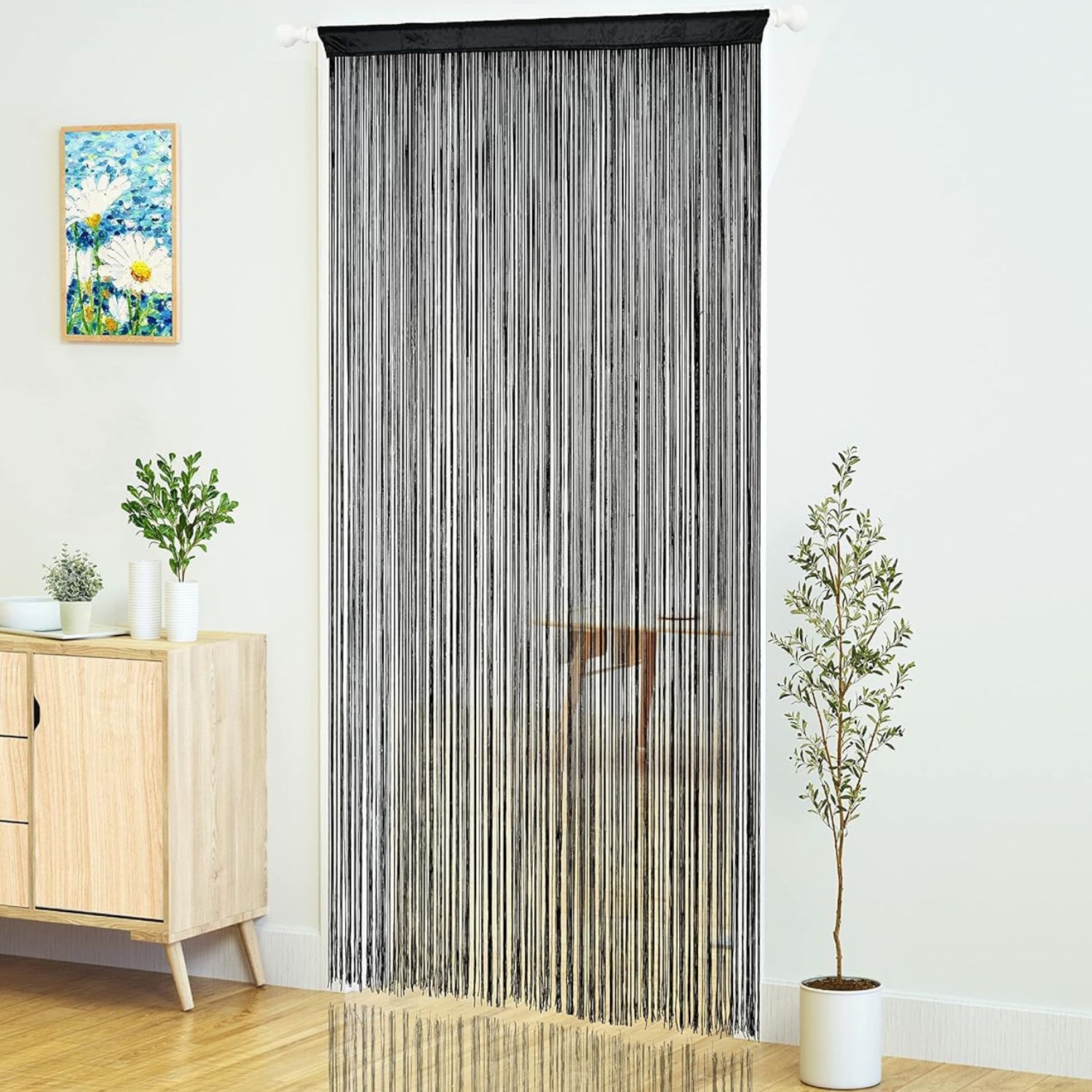
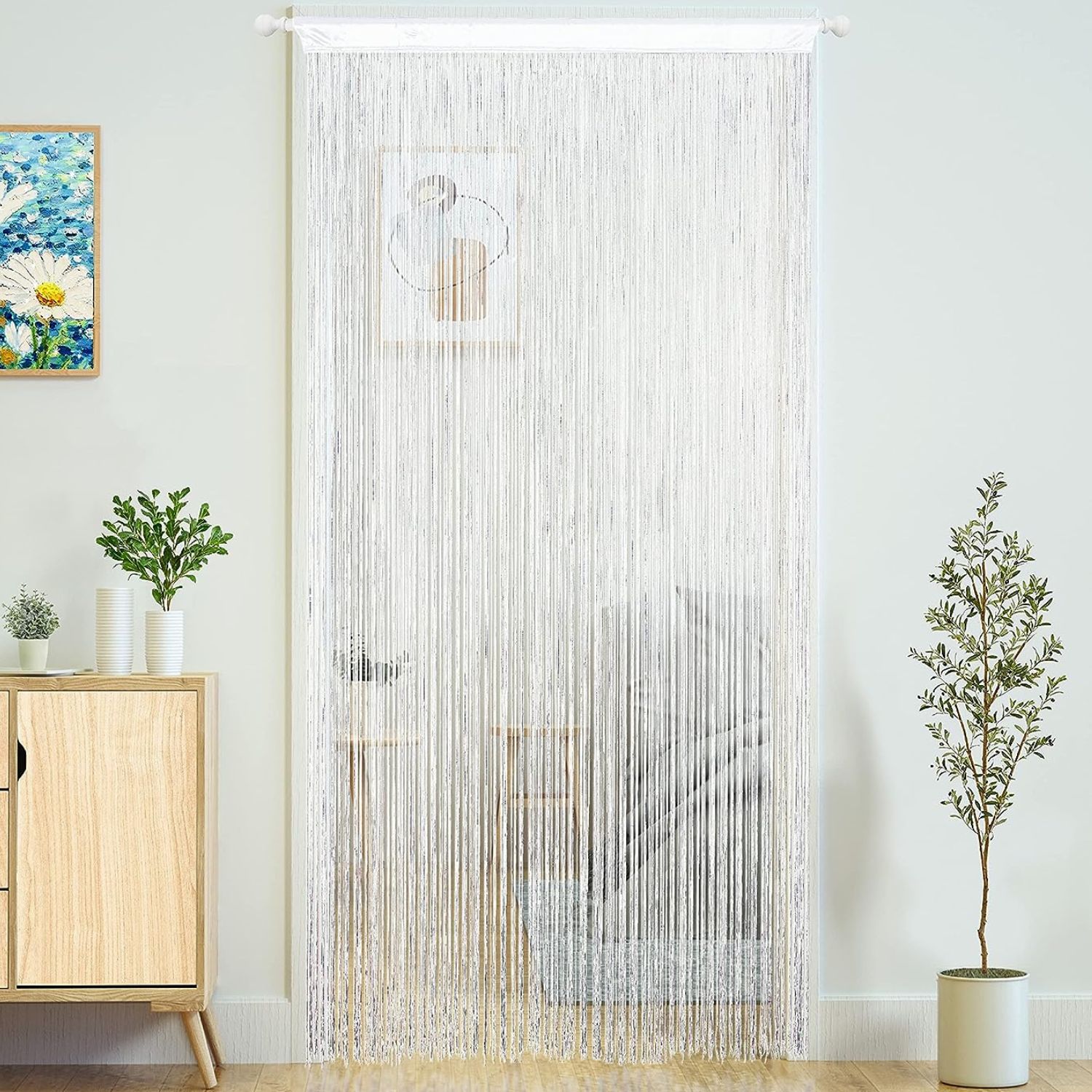
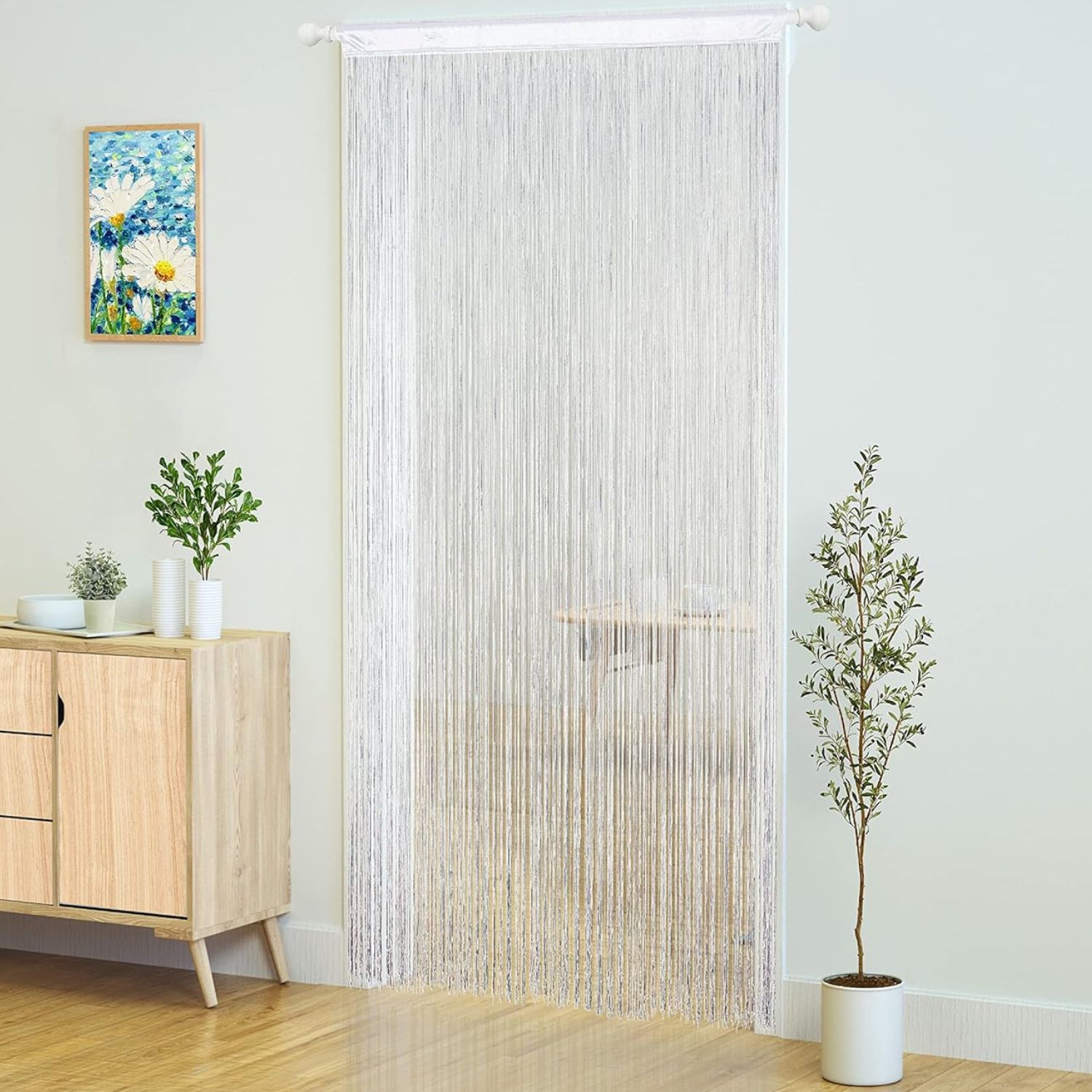
Premium quality strip curtain door Quick & easy to self install, no tools or tradesman required
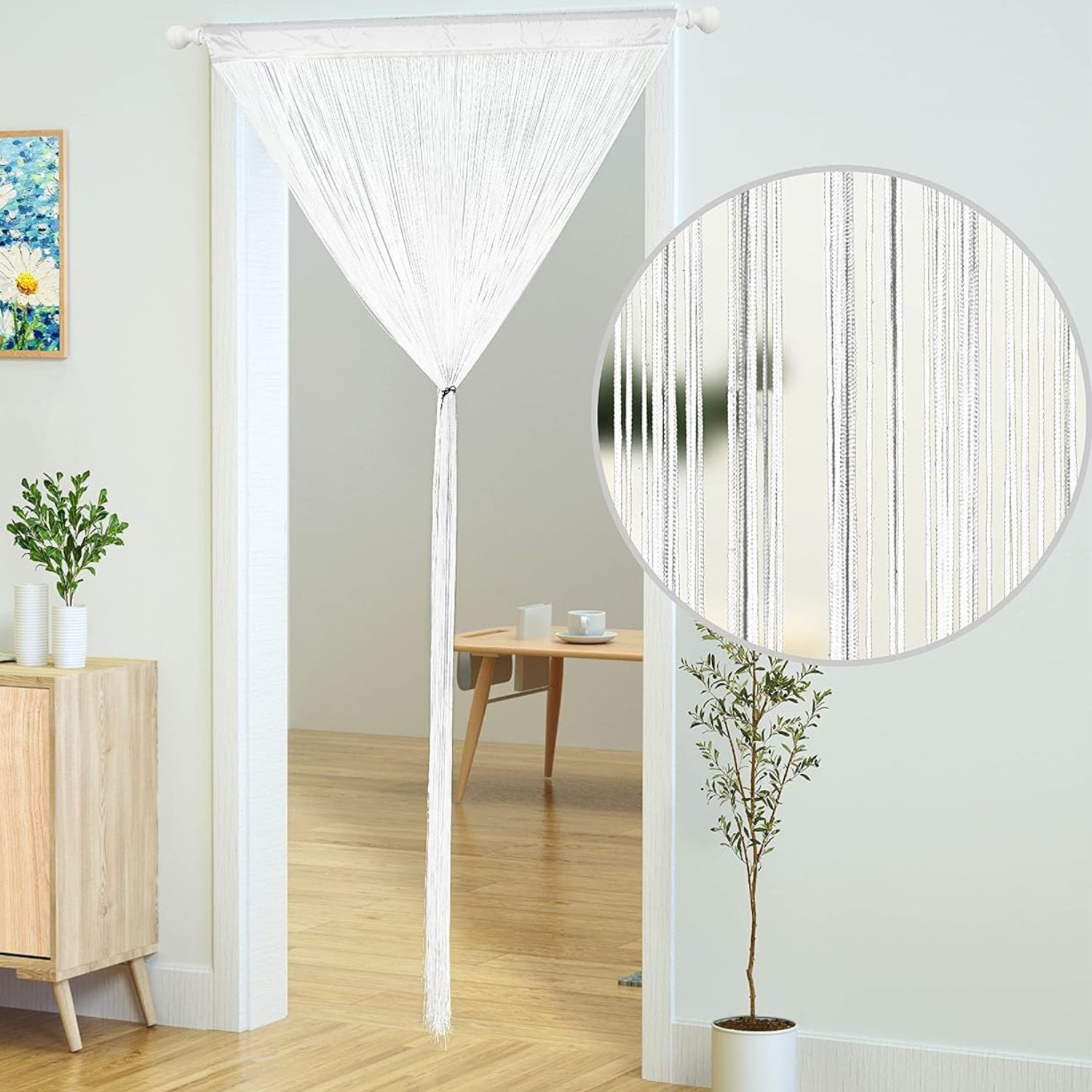
These durable heavy duty door curtains have a slot top and are suitable for a tension rod, pole or wire. Can be used for door & windows
all prices include GST
FREE DELIVERY ACROSS AUSTRALIA ON ALL ORDERS $50 or more (save $27.50)
The strip door curtain is made from eco-friendly polyester fiber. No harmful substances produced under sunlight. Perfect for Door, Windows, Wedding, Coffee House, Home, Office, Reception Room, or Hotel.
SPECIFICATIONS
- Weight: 590gms | 20oz
- Density: 15 Strings per Inch
- Material: 100% Polyester
- Rod Pocket: Suitable for all kinds of rods. (rods NOT included)

DUE TO CURRENT DEMAND ALLOW UP TO 7 WORKING DAYS FOR DELIVERY AFTER DISPATCH WITHIN 2 WORKING DAYS
Direct To Your Door - All Across Australia

MATERIAL & HEALTH
The string curtain is made from eco-friendly polyester fiber. No harmful substances produced under sunlight.SIZE & WEIGHT
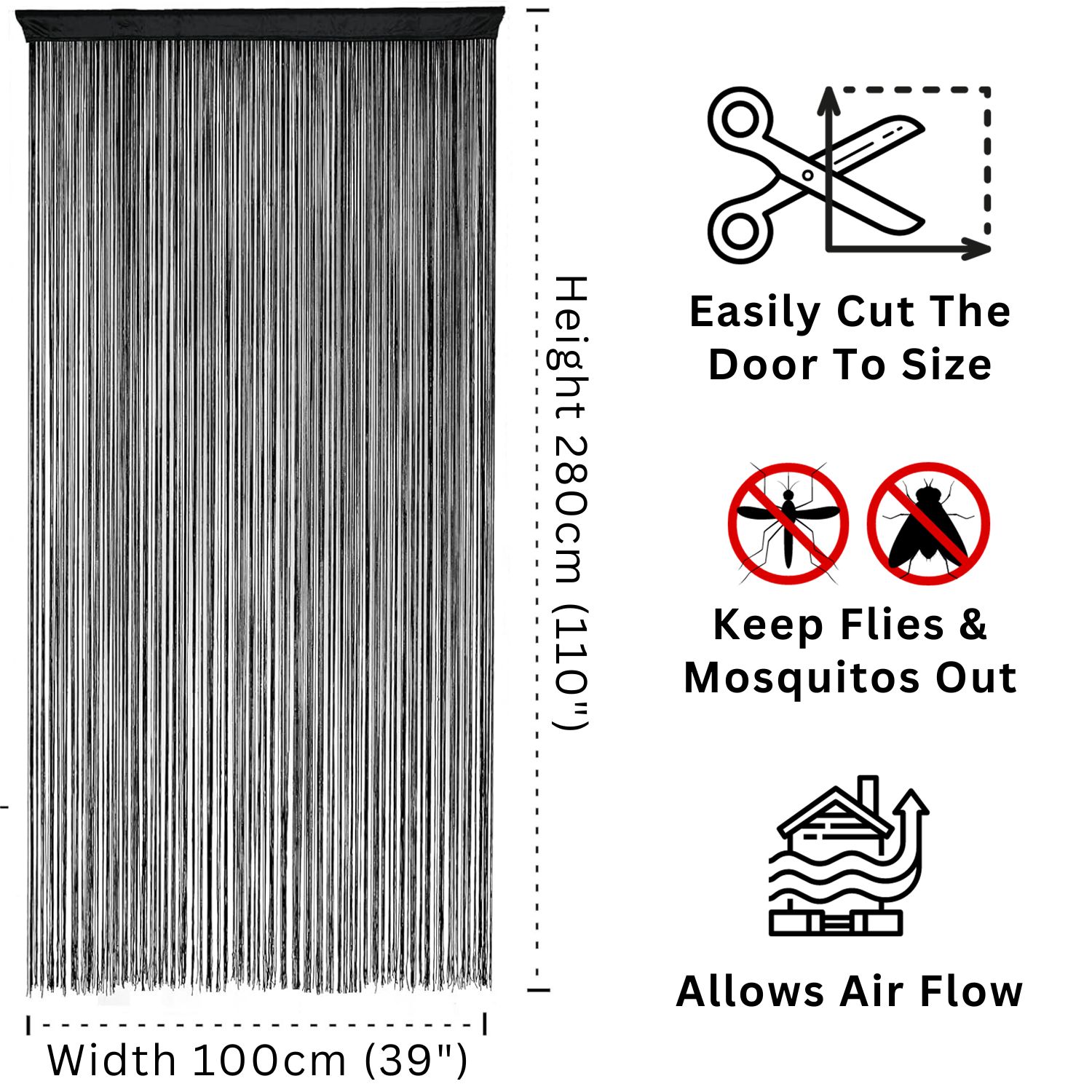
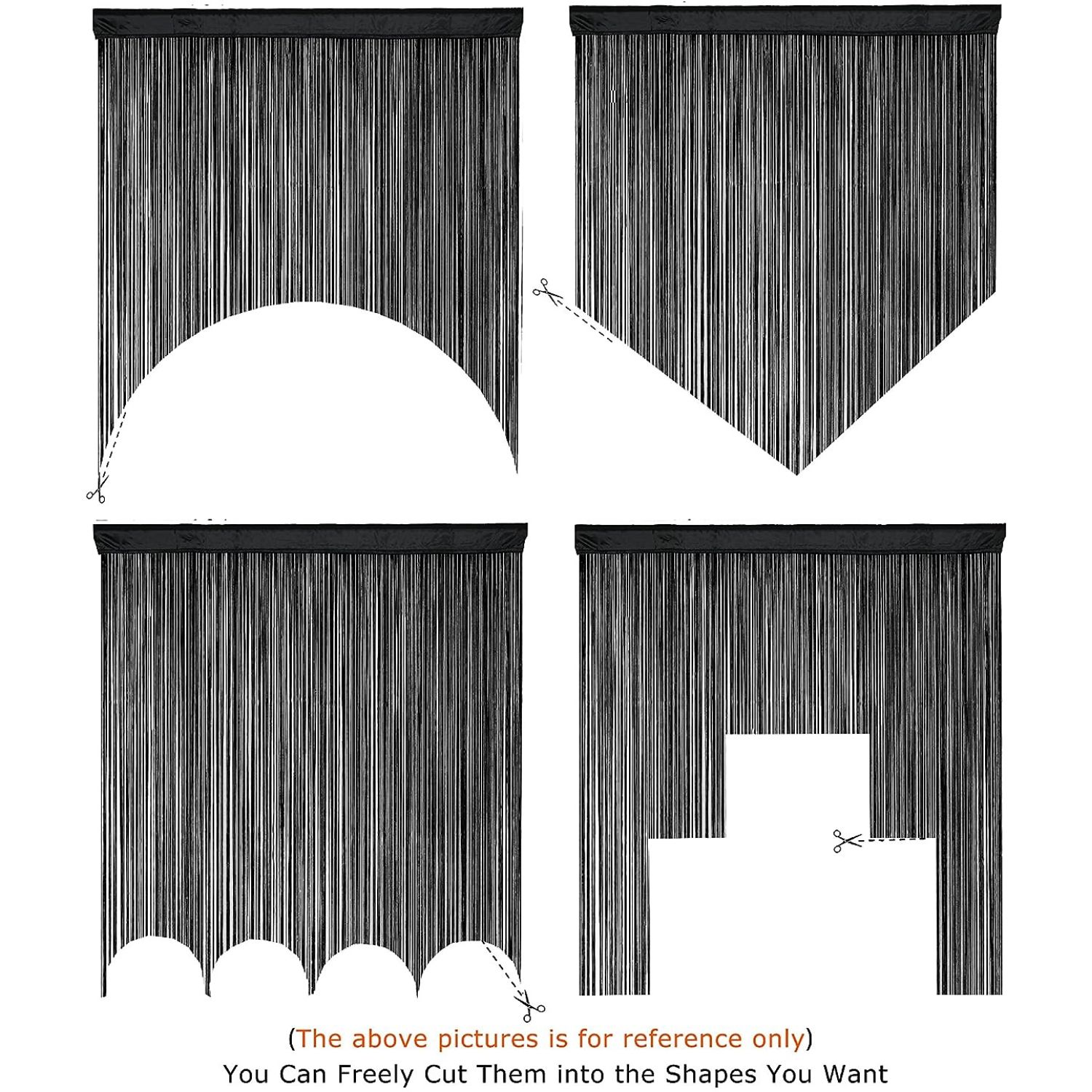
100 Wide ×280cm Height (39″ W x 110″ H). You can easily cut them to the size and shape you want. Weight: 20.8oz, (590g) , Heavier design, sagging feels better, stable, gentle.INSTALLATION
Rod Pocket.Suitable for all kinds of rods.

 Frequently Asked Questions

Door Fly Curtain Guide: Everything About Front Door Curtains and Door Net Curtains
Door fly curtains represent simple yet effective solutions for insect control, using lightweight mesh or fabric panels hanging across doorway openings to create barriers that deter flies, mosquitoes, and other flying insects while maintaining airflow, visibility, and relatively easy passage. These practical accessories have served homes worldwide for generations, offering economical alternatives to more complex screen door systems while providing genuine insect protection that transforms how families experience warm weather months.
What makes door fly curtains particularly appealing is their simplicity, accessibility, and versatility. Unlike permanent screen door installations requiring carpentry skills, specialized tools, or significant investment, curtain-style solutions install quickly using basic hardware, remove easily for cleaning or seasonal storage, and accommodate renters or temporary living situations where permanent modifications are impractical or prohibited. Understanding the types of door fly curtains available, how to select appropriate options for specific applications, and proper installation techniques ensures you achieve effective insect protection enhancing comfort and livability throughout insect season.
Understanding Door Fly Curtains
Door fly curtains use the fundamental principle of creating physical barriers across doorway openings using fabric or mesh panels that hang from doorway tops. Unlike solid doors that block airflow and visibility or traditional hinged screen doors requiring manual operation, fly curtains provide passive barriers that insects struggle to navigate while air circulates freely and visual connection to outdoor spaces remains largely intact.
The effectiveness stems from creating environments that flying insects instinctively avoid or find difficult to penetrate. Dense mesh weaves block physical passage, while the movement of lightweight curtain material in air currents creates visual disturbances that many insects perceive as unstable or threatening. The combination creates surprisingly effective barriers despite the lightweight, simple construction that makes these curtains so accessible and practical.
The Evolution of Door Curtains
Curtain-style door protection has ancient origins, with cultures across continents developing various hanging barriers protecting entrances from insects, dust, and environmental elements while maintaining ventilation crucial before mechanical cooling. Traditional materials ranged from woven plant fibers to fabric strips, with each culture adapting available materials to create practical solutions for universal insect challenges.
Modern door fly curtains benefit from synthetic mesh materials, improved attachment hardware, and manufacturing processes creating consistent, reliable products far superior to historical alternatives while maintaining the essential simplicity that has made curtain barriers enduringly popular across diverse applications and economic circumstances.
How Fly Curtains Differ From Other Screen Solutions
Unlike rigid framed screen doors, fly curtains use flexible materials creating barriers through density rather than structural rigidity. This flexibility allows easy passage by simply pushing through curtains, which immediately fall back into position creating continuous protection without requiring door opening and closing.
The lack of frames, hinges, or complex mechanisms makes fly curtains significantly more economical and simpler to install than traditional alternatives while the lightweight nature facilitates easy removal for cleaning or storage when protection is temporarily unnecessary.
Types of Door Fly Curtains
Door fly curtain designs span various styles each offering specific advantages and serving different preferences or applications.
Standard Mesh Panel Curtains
Basic mesh panel curtains consist of single or multiple mesh panels hanging from doorway tops creating complete barriers across openings. These straightforward designs prioritize function over decoration, using fine mesh materials that effectively block insects while allowing air circulation and reasonable visibility.
The panels typically extend from mounting points near doorway tops to floors or slightly above, creating full-height barriers preventing insect entry at any level.
Split Panel Designs
Split panel fly curtains divide vertically down the center, creating two panels that meet in the middle. This design facilitates easier passage as users simply walk through the center parting, with panels falling back together immediately afterward creating automatic closure similar to magnetic screens but without magnetic mechanisms.
The center overlap prevents insects from entering through the split while the parting action accommodates passage without requiring lifting or moving aside entire curtains.
Weighted Bottom Curtains
Many quality fly curtains incorporate weights sewn into bottom hems helping panels hang straight, resist wind displacement, and return quickly to proper position after passage. The weights create gentle tension ensuring curtains maintain appropriate positioning rather than bunching, blowing aside, or hanging irregularly.
Decorative and Embellished Options
Beyond purely functional mesh panels, decorative fly curtains incorporate aesthetic elements including embroidered designs, colored patterns, lace trim, or artistic mesh treatments transforming utilitarian insect barriers into attractive door accessories complementing home decor.
These enhanced curtains serve dual purposes, providing both insect protection and visual appeal making them suitable for front doors or other prominent locations where appearance matters alongside function.
Combination Fabric and Mesh Curtains
Some door curtains combine solid fabric upper panels with mesh lower sections, or alternate fabric and mesh strips. These hybrid designs add visual interest while the solid fabric portions provide privacy or shade alongside insect protection from mesh sections.
Materials and Construction
The materials used in door fly curtains significantly affect their effectiveness, durability, appearance, and maintenance requirements.
Polyester Mesh
Polyester represents the most common mesh material for modern fly curtains, offering excellent balance of durability, effectiveness, and cost. The synthetic fibers resist tearing, maintain shape without stretching, and withstand outdoor exposure without rapid deterioration.
Quality polyester mesh treated with UV inhibitors resists sun damage, extending lifespan even when curtains receive direct sunlight exposure during portions of days.
Nylon Mesh Options
Nylon mesh provides similar characteristics to polyester with slightly different properties including enhanced flexibility and softer hand feel. The material works well for fly curtains though may be somewhat less resistant to UV degradation than quality polyester alternatives.
Fiberglass Mesh
Fiberglass mesh common in traditional screen doors also appears in some fly curtain designs. The material offers good visibility and adequate durability though tends to be less flexible than polyester or nylon, potentially making curtains hang more stiffly.
Cotton and Natural Fiber Curtains
Natural fiber curtains including cotton or linen provide breathability and organic appeal attracting consumers preferring natural materials. However, natural fibers typically require more maintenance than synthetics and may deteriorate faster with weather exposure unless treated for outdoor use.
Mesh Density Considerations
Mesh density measured in holes per square inch determines the balance between insect exclusion and visibility. Finer mesh blocks smaller insects but reduces visibility and airflow, while more open mesh improves transparency and ventilation but may allow tiny insects to pass through.
Standard mesh around 18x16 or 18x18 works well for most applications, blocking common flying insects while maintaining reasonable airflow and visibility.
Installation Methods and Hardware
Proper installation ensures door fly curtains function effectively and remain securely positioned.
Hanging Rod Systems
Many fly curtains hang from tension rods spanning doorway widths, installed within door frames using spring tension requiring no fasteners or frame modifications. This approach suits rental properties or situations where permanent installation is undesirable.
The curtain top typically features rod pockets or loops allowing rods to pass through, supporting curtains while enabling easy removal for cleaning by simply releasing rod tension and removing the entire assembly.
Adhesive Strip Mounting
Some curtains attach using adhesive strips applied around door frame perimeters. Strong adhesive rated for outdoor use ensures secure attachment despite weather exposure and repeated curtain movement.
This method works well for curtains without rod pockets, providing secure installation while remaining removable by carefully peeling adhesive when curtains are no longer needed.
Hook and Loop Fastener Attachment
Hook and loop fasteners sewn to curtain tops attach to corresponding strips mounted on door frames. This system facilitates easy removal for washing while maintaining secure attachment during use.
The reusable nature makes hook and loop systems practical for seasonal curtains removed and reinstalled multiple times over years of use.
Tack or Nail Installation
For more permanent installation or situations where other methods prove inadequate, thumbtacks or small nails secure curtain tops directly to door frames. While creating minor holes in frames, this approach provides maximum security particularly for heavy curtains or windy locations.
Combination Mounting Systems
Some premium fly curtains incorporate multiple attachment methods including top rod pockets with supplementary hook and loop or snap fasteners along sides, creating comprehensive attachment ensuring curtains remain properly positioned even in challenging conditions.
Installation Process
Installing door fly curtains involves straightforward processes though attention to detail ensures optimal results.
Measuring Your Doorway
Measure doorway width and height accurately ensuring selected curtains provide complete coverage. For width, measure the actual opening or the door frame exterior depending on mounting method. For height, measure from mounting point to desired curtain bottom position, typically floor level or slightly above.
Preparing the Installation Area
Clean door frame surfaces where curtains will attach, removing dust, dirt, or grease that might prevent secure adhesive bonding. For rod installations, ensure adequate clearance exists for rod placement without interference from door frame irregularities or hardware.
Installing Mounting Hardware
Install rods, adhesive strips, or hook and loop fasteners according to product instructions. Ensure level installation preventing curtains from hanging crooked. Allow adhesive adequate cure time before hanging curtains ensuring maximum bond strength.
Hanging the Curtain
Attach curtains to mounting systems ensuring even distribution and proper alignment. For split panel designs, verify that panels overlap adequately in the center creating complete barriers without gaps. Adjust as necessary achieving neat, functional installation.
Testing and Adjusting
After installation, test passage through curtains confirming they part easily and return to position properly. Check for gaps at edges, top, or bottom where insects might enter. Make adjustments addressing any issues before considering installation complete.
Benefits of Door Fly Curtains
Fly curtain door solutions offer multiple advantages making them attractive insect protection options for many situations.
Economical Investment
Fly curtains typically cost significantly less than traditional screen doors or sophisticated retractable systems, making effective insect protection accessible regardless of budget constraints. The economical nature particularly suits temporary situations, rental properties, or households managing limited improvement budgets.
Simple Installation
The straightforward installation requiring no special skills, complex tools, or carpentry expertise means virtually anyone can install fly curtains successfully. This accessibility contrasts sharply with hinged screen doors requiring accurate measuring, precise frame installation, and hardware adjustment best left to experienced DIYers or professionals.
Easy Removal and Storage
Curtain-style solutions remove quickly when insect protection becomes unnecessary, allowing complete restoration of original door appearances during off-season. The lightweight nature facilitates easy storage requiring minimal space.
Rental-Friendly Solutions
Many installation methods avoid permanent modifications making fly curtains ideal for rental situations where tenant improvements must be reversible. Removing curtains at lease end restores doors to original condition without damage or alteration.
Maintenance Simplicity
Fly curtains typically tolerate machine washing or hand washing, making cleaning straightforward compared to framed screens requiring more involved maintenance. The simple construction means fewer components that might fail or require adjustment over time.
Versatile Applications
Beyond standard doorways, fly curtains work well for various openings including garage doors, workshop entrances, patio openings, or any location needing temporary or permanent insect barriers without complex installation requirements.
Selecting Appropriate Door Fly Curtains
Choosing suitable curtains involves evaluating factors ensuring selected options meet specific needs and circumstances.
Matching Curtains to Door Types
Consider your specific door configuration when selecting curtains. Standard single doors work with most curtain types. Double doors or French doors may require wider curtains or dual curtain installations. Sliding doors need curtains accommodating opening widths while allowing door operation.
Assessing Insect Challenges
Your specific insect problems influence appropriate mesh density selection. Areas with primarily larger insects like houseflies succeed with standard mesh, while regions plagued by tiny insects including no-see-ums require finer mesh despite reduced visibility and airflow.
Traffic and Usage Patterns
Doorways with heavy traffic benefit from durable curtains with reinforced construction withstanding frequent passage. Light-traffic doors can use more delicate decorative options. Consider whether children, pets, or people carrying items will regularly pass through curtains, selecting appropriate durability levels.
Climate and Environmental Exposure
Doors receiving significant sun exposure need UV-resistant materials preventing premature deterioration. Windy locations require weighted curtains and secure mounting resisting displacement. Humid environments benefit from synthetic materials resisting mildew better than natural fibers.
Aesthetic Preferences
Front doors or other prominent locations may warrant decorative curtains complementing home aesthetics, while back doors or utility entrances can use purely functional options. Consider whether curtains should blend subtly or make decorative statements.
Maintenance and Care
Proper maintenance extends fly curtain lifespan while ensuring continued effective insect protection.
Regular Cleaning
Dust and debris accumulate on mesh over time, reducing effectiveness and appearance. Regular cleaning using vacuum attachments, soft brushes, or gentle wiping maintains performance. Many curtains tolerate periodic machine washing following care label instructions.
Inspecting for Damage
Check curtains periodically for tears, holes, or deteriorating mesh. Small damage can often be repaired using mesh patches or careful stitching, while extensive damage may require curtain replacement.
Checking Attachment Security
Verify that mounting hardware remains secure, reattaching or reinforcing as necessary. Adhesive strips may loosen over time, particularly in hot weather, requiring replacement or supplementation with additional fasteners.
Seasonal Storage
When removing curtains for off-season storage, clean thoroughly before folding or rolling loosely. Store in dry locations protected from pests and extreme temperatures ensuring curtains remain in good condition for reinstallation the following season.
Common Issues and Solutions
Understanding typical fly curtain challenges helps maintain effective protection.
Curtains Blowing Open
Wind or air currents can blow lightweight curtains aside creating insect entry opportunities. Solutions include adding weights to bottom edges, using heavier curtain materials, installing side fasteners holding edges in place, or repositioning curtains to less exposed locations when possible.
Gaps at Edges or Bottom
Improper sizing or installation may leave gaps where insects enter. Ensure curtains are adequately wide and tall for complete coverage. Add supplementary fasteners along edges or use wider curtains overlapping door frames preventing edge gaps.
Difficulty Passing Through
If curtains create excessive resistance during passage, issues may include curtains hung too taut, inadequate center overlap on split designs making parting difficult, or weighted bottoms that are too heavy. Adjust tension or weight as necessary achieving easier passage.
Mesh Deterioration
UV exposure, weather, and age eventually deteriorate mesh materials. When deterioration becomes significant, replacement provides more reliable solution than attempting to repair extensively damaged curtains.
Comparing Fly Curtains to Alternative Solutions
Understanding how curtain-style protection compares to alternatives helps determine optimal solutions for specific situations.
Fly Curtains Versus Hinged Screen Doors
Traditional hinged screens offer more robust construction and potentially more complete insect barriers but require significantly higher investment, more complex installation, and manual operation. Fly curtains provide economical, simple alternatives sacrificing some robustness for accessibility and convenience.
Fly Curtains Versus Magnetic Screens
Magnetic screens offer automatic closure through magnetic mechanisms while fly curtains rely on gravity and manual positioning. Magnetic screens typically cost more but provide more reliable automatic sealing. Both represent economical alternatives to traditional framed screens.
Fly Curtains Versus Retractable Screens
Retractable systems provide premium solutions with complete disappearance when not needed but command substantially higher investment. Fly curtains offer basic functionality at fraction of the cost, suitable when budget constraints limit options or permanent installation is impractical.
Special Applications and Uses
Fly curtains serve diverse applications beyond standard residential door protection.
Garage and Workshop Doorways
Large garage or workshop openings benefit from fly curtain protection allowing ventilation while working without inviting insects inside. The easy passage accommodates frequent movement in and out carrying tools or materials.
Camping and Outdoor Recreation
Portable fly curtains designed for camping attach to tent openings, RV doors, or temporary shelter entrances providing insect protection in outdoor settings. The lightweight, portable nature suits recreational applications perfectly.
Commercial and Agricultural Buildings
Businesses, barns, or agricultural structures use fly curtains creating insect barriers for openings where traditional doors prove impractical. The economical nature and easy installation suit these utilitarian applications well.
Temporary Event Protection
Outdoor events, parties, or gatherings benefit from temporary fly curtain installation creating comfortable, insect-protected spaces. Easy installation and removal make curtains practical for occasional use rather than daily applications.
Enhancing Curtain Effectiveness
Additional strategies optimize fly curtain performance beyond basic installation.
Combining Multiple Barriers
Using multiple curtain layers or combining curtains with other insect control methods creates enhanced protection. Double curtain layers offset from each other eliminate straight-through paths insects might exploit.
Strategic Placement
Installing curtains on less exposed doors or positioning them to minimize wind impact improves effectiveness. Consider prevailing wind directions and sun exposure when determining which doors receive curtain protection.
Supplementary Insect Control
Combining fly curtains with outdoor insect control including citronella candles, bug zappers, or natural repellent plants creates comprehensive protection reducing insect pressure on curtain barriers.
Regular Adjustment and Monitoring
Periodically checking curtains and making minor adjustments maintaining proper positioning and complete coverage ensures continued effectiveness rather than allowing gradually developing issues to compromise protection.
Safety Considerations
While generally safe, fly curtains require some safety awareness.
Emergency Exit Accessibility
Curtains must not impede emergency exit from homes. Lightweight curtain materials part easily allowing rapid passage during emergencies. Ensure all household members understand curtains pose no exit barriers and can be pushed through quickly if necessary.
Trip Hazard Prevention
Curtains should hang at appropriate heights preventing bottom edges from creating trip hazards. Typically curtains hang to floor level or slightly above, avoiding excess material that might catch feet.
Child and Pet Safety
Lightweight curtains do not prevent determined children or pets from accessing outdoor areas. While curtains deter insects, they do not substitute for appropriate supervision preventing unauthorized outdoor access by young children.
Fire Safety
Ensure curtains use fire-resistant materials or treatments appropriate for door applications. Check product specifications confirming adequate fire safety particularly for commercial applications where regulations may specify requirements.
DIY Curtain Creation
Handy individuals can create custom fly curtains tailored to specific needs and preferences.
Materials and Supplies
Creating DIY curtains requires appropriate mesh material purchased by the yard, thread suitable for sewing mesh, weights for bottom hems, and mounting hardware including rods, hook and loop fasteners, or attachment clips.
Measuring and Cutting
Measure door openings accurately allowing extra material for hems and seams. Cut mesh panels to appropriate dimensions using sharp scissors ensuring clean edges that will not fray excessively.
Sewing and Assembly
Hem all edges preventing fraying and creating finished appearances. Add rod pockets along tops if using rod mounting. Sew weights into bottom hems creating proper hanging. Those without sewing skills can use fabric glue or no-sew hem tape for simple constructions.
Custom Design Elements
DIY approaches allow complete customization including selecting specific mesh colors, adding decorative trim, incorporating embellishments, or creating unique dimensions perfectly matching unusual door sizes.
Sustainable and Eco-Friendly Options
Environmentally conscious consumers can find or create sustainable fly curtain solutions.
Natural Fiber Materials
Curtains using organic cotton, linen, or other natural fibers appeal to consumers preferring renewable materials over petroleum-based synthetics. While requiring more maintenance, natural materials offer eco-friendly alternatives.
Recycled Synthetic Options
Some manufacturers produce mesh from recycled plastics or other reclaimed materials, reducing environmental impact while maintaining synthetic material advantages.
Durability and Longevity
Choosing quality curtains lasting many seasons reduces waste compared to cheap alternatives requiring frequent replacement. The most sustainable product is often the one requiring replacement least frequently.
The Timeless Practicality of Curtain Solutions
Door fly curtains represent time-tested, practical solutions for insect protection that continue serving countless homes despite the availability of more sophisticated alternatives. The enduring popularity reflects genuine advantages including economical accessibility, simple installation requiring minimal skills or tools, easy removal and storage for seasonal use, and effective insect deterrence when properly selected and installed.
For renters unable to install permanent screens, budget-conscious households seeking economical protection, temporary situations requiring removable solutions, or anyone wanting simple, functional insect barriers without complexity or significant investment, fly curtains deliver reliable performance through straightforward technology that has worked for generations.
Success with door fly curtains comes from appropriate selection matching curtain types to specific applications, proper installation ensuring complete coverage and secure mounting, regular maintenance preserving effectiveness and appearance, and realistic expectations understanding that lightweight curtains, while effective, may not match the robustness of framed screen alternatives costing significantly more.
Whether protecting front doors, back entrances, patio openings, garage doorways, or any location requiring insect barriers with minimal investment and installation complexity, fly curtains offer compelling solutions combining proven effectiveness with practical simplicity that makes insect protection accessible to everyone regardless of budget, skills, or housing situations.
Embrace this straightforward approach to insect control that has served homes worldwide for countless years. Your perfect door fly curtain solution awaits, ready to provide the protection, ventilation, and comfort that transforms warm weather living from constant battles against invading insects into peaceful enjoyment of fresh air and indoor-outdoor connection without the persistent annoyance of flies and mosquitoes that otherwise compromise comfort during the beautiful months when opening doors and windows should be pure pleasure rather than invitation to insect invasion.