



The complete guide
Buying Guide
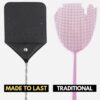
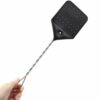
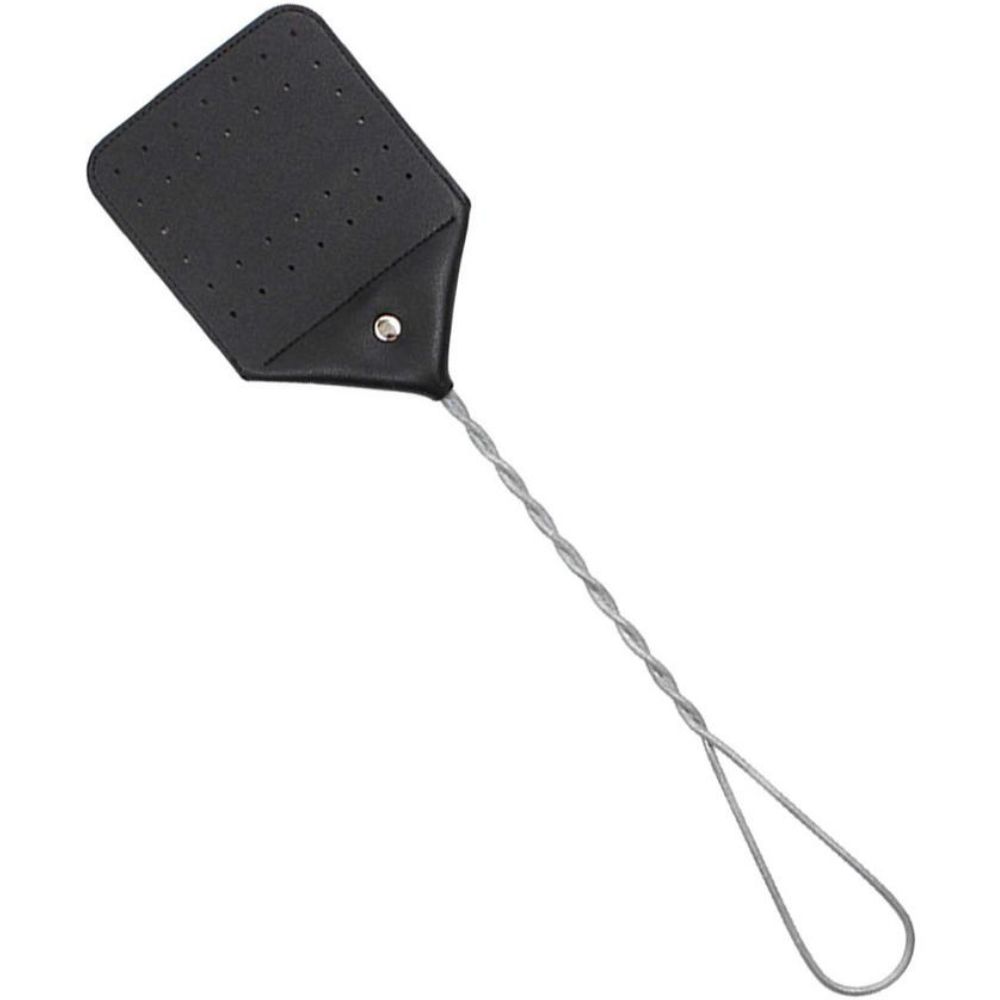
Unlike cheap plastic swatters, this amish leather fly swat is professionally hand made and will last a life time
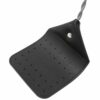
A durable long lasting leather cover is riveted to a metal handle which ensures thousands of times uses. Washable & easy to clean
all prices include GST
FREE DELIVERY ACROSS AUSTRALIA ON ALL ORDERS $50 or more (save $27.50)
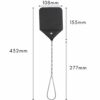
- 43cm metal handle allows you to whack annoying bugs & flies while keeping a comfortable distance.
- The ergonomic handle makes it easier to swat insects to take them down.
- Easy to clean & washable with a damp cloth or paper towel.
SPECIFICATIONS

DUE TO CURRENT DEMAND ALLOW UP TO 7 WORKING DAYS FOR DELIVERY AFTER DISPATCH WITHIN 2 WORKING DAYS
Direct To Your Door - All Across Australia
Black PU Leather



 Frequently Asked Questions

Leather Fly Swatter Guide: Everything About Amish Fly Swatters and Traditional Leather Swats
Leather fly swatters represent traditional craftsmanship applied to the timeless task of eliminating flying insects, combining natural materials with time-tested designs that have served households for generations before plastic manufacturing became widespread. These handcrafted tools use genuine leather striking surfaces attached to wooden handles, creating elegant, effective implements that transform utilitarian pest control into expressions of artisan skill and sustainable material choices that many people find more satisfying than mass-produced plastic alternatives.
Amish leather fly swatters particularly exemplify this traditional approach, reflecting communities renowned for quality hand craftsmanship, attention to detail, and commitment to creating durable, functional products using natural materials and traditional methods largely unchanged for centuries. Understanding what makes leather swatters distinct from plastic counterparts, the craftsmanship involved in their creation, proper use and care maintaining these natural implements, and why many consumers actively seek traditional leather swatters despite abundant plastic options helps appreciate these unique tools that connect modern pest control with traditional artisan heritage.
Understanding Leather Fly Swatters
Leather fly swatters use tanned animal hides, typically cowhide, cut and shaped into flat striking surfaces perforated with patterns allowing air passage while delivering lethal force to flying insects. The leather attaches securely to wooden handles using tacks, rivets, or leather thongs creating unified tools combining natural materials throughout construction rather than the synthetic plastics dominating contemporary swatter production.
The fundamental design mirrors plastic swatter concepts with perforated heads reducing air resistance and handles providing reach and leverage, but execution using traditional materials and often handcrafted construction methods creates products with distinct characteristics, aesthetics, and appeals compared to modern mass-produced alternatives that prioritize economy and consistency over individuality and traditional craftsmanship.
Historical Context of Leather Swatters
Before plastic manufacturing revolutionized consumer products during the mid-20th century, fly swatters used available materials including leather, wire mesh covered with fabric or leather, or simple wooden paddles. Leather represented premium swatter material combining durability, flexibility, and effectiveness in designs that craftspeople could produce using traditional leatherworking skills and tools without industrial manufacturing capabilities.
While plastic eventually dominated swatter production through lower costs and mass production efficiency, leather swatters persisted in communities valuing traditional crafts, natural materials, and handmade quality, with Amish communities becoming particularly renowned for continuing leather swatter production using traditional methods.
The Amish Craftsmanship Tradition
Amish communities maintain traditional craft practices largely unchanged since their establishment, prioritizing hand skills, quality workmanship, and functional design over mechanization and mass production. This philosophical approach creates products reflecting genuine craftsmanship, individual artisan skill, and commitment to quality that mass production cannot replicate regardless of modern manufacturing capabilities.
Amish fly swatters exemplify this tradition, with craftspeople cutting leather by hand, creating perforation patterns using traditional tools, and assembling swatters individually ensuring each product receives personal attention and quality control that industrial processes sacrifice for production speed and volume.
Materials and Construction
Quality leather fly swatters combine carefully selected materials with skilled construction creating durable, effective tools.
Leather Selection and Preparation
Swatter construction typically uses vegetable-tanned cowhide providing appropriate thickness balancing flexibility necessary for effective swatting against durability withstanding repeated use. The leather must be supple enough to swing smoothly without excessive stiffness while thick enough to deliver adequate impact force and resist tearing from perforations or general wear.
Leather preparation involves cutting hides into appropriate shapes, typically rectangular or slightly oval forms sized to create effective striking surfaces while remaining manageable and well-balanced when attached to handles. The cutting requires skill ensuring grain orientation and leather characteristics suit swatter applications.
Perforation Patterns
Creating air-passage holes in leather involves punching or cutting perforations in patterns serving both functional and decorative purposes. Functional considerations require adequate holes reducing air resistance while maintaining structural integrity and impact delivery. Decorative aspects allow craftspeople to create attractive patterns ranging from simple regular grids to elaborate designs showcasing artisan creativity.
Traditional perforation methods use leather punches, awls, or specialized cutting tools creating clean holes without ragged edges that might tear or propagate cracks during use. The spacing, size, and arrangement reflect individual craftsperson techniques and preferences creating subtle variations making each swatter unique.
Handle Materials and Construction
Wooden handles represent traditional choices complementing leather heads with natural materials throughout swatter construction. Woods including ash, hickory, maple, or other hardwoods provide strength, appropriate flexibility, and pleasing aesthetics while accepting various finishes from natural oils to painted or stained surfaces.
Handle shaping involves turning on lathes for round profiles, hand-planing for contoured grips, or leaving rectangular blanks in simpler utilitarian designs. The craftsmanship level varies from basic functional handles to elaborately turned or carved pieces showcasing woodworking skills alongside leather craft.
Assembly Methods
Attaching leather to handles uses various traditional techniques including small tacks or brads driven through leather into wood, rivets creating permanent secure attachments, or leather thongs wrapping and binding heads to handles. Each method offers distinct aesthetic and functional characteristics with choices reflecting craftsperson traditions and preferences.
Quality assembly ensures secure attachment withstanding the forces generated during vigorous swatting without loosening, separating, or failing prematurely. The connection point represents a potential weakness requiring careful execution preventing it from becoming the limiting factor in swatter longevity.
Benefits of Leather Over Plastic
Leather swatters offer specific advantages explaining why some consumers actively seek traditional options despite plastic ubiquity.
Aesthetic and Tactile Appeal
Natural leather and wood create warm, organic aesthetics many people find more attractive than bright plastic alternatives. The tactile qualities of leather and wood feel substantial and pleasing in ways plastic cannot replicate, creating tools that are satisfying to hold and use beyond mere functional effectiveness.
Craftsmanship and Individuality
Handmade leather swatters carry marks of individual craftsmanship including subtle variations in dimensions, perforation patterns, or finishing details that make each piece unique. This individuality appeals to consumers valuing artisan products over identical mass-produced items lacking personal character or craftsperson connection.
Durability and Longevity
Quality leather swatters properly cared for can last decades providing reliable service far exceeding typical plastic swatter lifespans. The natural materials age gracefully developing patinas and character rather than becoming brittle, faded, or deteriorated as plastics often do with time and use.
Natural and Sustainable Materials
Leather and wood represent renewable, biodegradable natural materials creating smaller environmental footprints than petroleum-based plastics. For environmentally conscious consumers, natural material composition aligns with sustainability values even when leather production itself involves environmental considerations.
Supporting Traditional Crafts
Purchasing handmade leather swatters supports artisan communities and traditional craft preservation. This cultural value extends beyond simple product acquisition to encompass supporting ways of life and skill traditions that might otherwise disappear under mass production pressures.
Heirloom Quality
Well-made leather swatters achieve heirloom status, potentially passing between generations as functional antiques representing family history and traditional values. Few plastic swatters inspire similar sentimental attachment or multi-generational use.
The Amish Connection
Amish communities have become particularly associated with traditional leather fly swatter production for specific cultural and practical reasons.
Traditional Skills and Values
Amish culture emphasizes hand skills, traditional crafts, and creating quality functional products using time-tested methods. These values align perfectly with leather swatter production requiring leatherworking and woodworking skills that Amish communities maintain actively through ongoing practice and apprenticeship traditions.
Home-Based Production
Many Amish craftspeople work from home workshops producing items for local use and wider markets. Fly swatters represent accessible craft projects requiring modest material investments and tool requirements while producing marketable products demonstrating traditional skills and quality workmanship.
Cottage Industry Economics
Swatter production fits well within Amish economic models emphasizing small-scale production, family businesses, and products sold through farm stands, craft stores, or online marketplaces operated by intermediaries. The modest production scales suit community values while generating meaningful income supplementing agricultural activities.
Quality Reputation
Amish crafts have developed strong quality reputations among consumers seeking well-made traditional products. This reputation extends to fly swatters, with Amish-made designation signaling traditional construction, quality materials, and attention to detail that mass production cannot match.
Selecting Quality Leather Swatters
Choosing excellent leather fly swatters involves evaluating characteristics distinguishing superior craftsmanship from inferior alternatives.
Assessing Leather Quality
Quality swatters use genuine full-grain leather rather than lower-grade splits or bonded leather products. The leather should feel supple but substantial, showing natural grain characteristics rather than artificial uniformity suggesting inferior materials or heavy processing.
Examine leather for uniform thickness, clean perforations without ragged edges, and appropriate tanning creating leather that is neither overly stiff nor excessively soft and floppy.
Evaluating Construction Quality
Inspect attachment points ensuring leather secures firmly to handles without gaps, looseness, or obvious weakness. Perforations should appear evenly spaced and cleanly punched rather than irregularly spaced or roughly cut. Overall craftsmanship should appear neat, consistent, and thoughtfully executed.
Handle Evaluation
Quality handles use solid hardwood with appropriate length providing good reach and leverage. The wood should be smooth, free from splinters, and comfortably sized for gripping. Finished handles might show oil, wax, or varnish protection while maintaining natural wood character.
Functional Design
Beyond aesthetics, swatters must function effectively. Test balance, feel during swinging motions if possible, and consider whether dimensions and weight suit your intended applications. Beautiful craftsmanship matters little if swatters prove awkward or ineffective during actual use.
Authenticity Verification
When seeking genuine Amish-made swatters, purchase from reputable sources including Amish communities directly, established retailers specializing in Amish crafts, or verified online sources. Beware of products claiming Amish origin without credible authentication as some manufacturers use Amish associations for marketing without genuine community connections.
Using Leather Fly Swatters Effectively
Proper technique maximizes leather swatter effectiveness while protecting these traditional tools from damage.
Swatting Technique
Leather swatters require similar technique to plastic alternatives including slow approach, swift decisive swings, and targeting insects against solid surfaces rather than attempting mid-air strikes. The slightly different weight and flexibility compared to plastic may require brief adjustment periods developing feel for optimal swing force and timing.
Surface Considerations
While leather swatters work on most surfaces, avoid excessive force against very hard surfaces like tile or concrete that might damage leather edges or perforations. The natural material withstands normal use excellently but benefits from reasonable care preventing unnecessary stress or impact that would not affect more resilient plastic alternatives.
Moisture Awareness
Unlike plastic swatters unaffected by moisture, leather swatters should not be used in wet conditions or stored damp. Excessive moisture can damage leather through staining, promoting mold growth, or weakening material through repeated wetting and drying cycles. Keep leather swatters dry for optimal longevity.
Care and Maintenance
Proper care preserves leather swatter beauty and functionality through years or decades of service.
Cleaning Leather Swatters
Clean leather swatters using slightly damp cloths removing insect residue and surface dirt. Avoid soaking or excessive water exposure that might damage leather. For stubborn deposits, leather cleaners formulated for tanned hides provide safe cleaning without material damage.
Conditioning and Protection
Periodic leather conditioning using appropriate products maintains suppleness and prevents drying or cracking. Apply leather conditioner, oil, or wax sparingly according to product instructions, allowing absorption before removing excess. This maintenance preserves leather flexibility and appearance through years of use and environmental exposure.
Storage Practices
Store leather swatters in dry locations away from extreme heat or direct sunlight that might dry or damage leather. Hanging storage prevents crushing or deforming leather heads while keeping swatters accessible. Avoid damp basements or storage areas where moisture might promote mold or mildew growth on natural materials.
Addressing Damage
Minor leather damage including small tears or loose stitching accepts repair using leather adhesives, additional tacks, or traditional leatherworking techniques. Significant damage may require professional leather repair or replacement, though quality swatters properly maintained rarely develop serious problems requiring intervention beyond routine care.
Decorative and Collectible Aspects
Beyond functional use, leather fly swatters appeal to collectors and decorators appreciating traditional crafts.
Display and Decoration
Attractive leather swatters with elaborate perforation patterns, carved handles, or exceptional craftsmanship merit display as folk art or traditional craft examples. Kitchen decor, farmhouse aesthetics, or Americana collections incorporate vintage or artisan swatters as decorative elements alongside or instead of purely functional roles.
Collecting Vintage Swatters
Antique and vintage leather fly swatters attract collectors interested in early household implements, traditional tools, or specific craft traditions. Age, condition, maker identification, and craftsmanship quality affect collectible value and interest among enthusiasts.
Handmade Craft Markets
Contemporary artisans continue producing leather swatters for craft markets, farmers markets, or online handmade goods platforms. These modern traditional swatters appeal to consumers seeking handcrafted items, natural materials, or connections to traditional skills even in contemporary contexts.
Comparing Traditional and Modern Swatters
Understanding differences helps consumers make informed choices between traditional leather and modern plastic swatters.
Performance Comparison
Both leather and plastic swatters eliminate flying insects effectively when properly designed and used. Performance differences remain subtle with success depending more on user technique than material composition. Neither holds decisive functional advantages making performance alone sufficient to prefer one over the other.
Durability and Lifespan
Quality leather swatters outlast most plastic alternatives significantly, potentially providing decades of service versus years or less for typical plastic swatters. However, leather requires more care maintaining longevity while plastic demands virtually no maintenance despite shorter overall lifespans.
Cost Considerations
Handmade leather swatters cost more initially than mass-produced plastic alternatives reflecting material quality, handcrafting labor, and small-scale production economics. The higher investment delivers superior longevity and craftsmanship potentially justifying costs through extended use and greater satisfaction despite lower upfront plastic costs.
Maintenance Requirements
Plastic swatters require minimal care beyond occasional cleaning, while leather demands periodic conditioning and more careful storage protecting natural materials. Consumers unwilling to provide modest maintenance might find plastic's carefree nature more suitable despite other leather advantages.
Aesthetic and Philosophical Factors
Ultimately, choices between leather and plastic often reflect aesthetic preferences, values regarding natural versus synthetic materials, appreciation for handcraftsmanship, or philosophical positions on sustainability and traditional skills rather than purely functional considerations where both materials perform adequately.
Making Your Own Leather Swatter
Skilled craftspeople can create custom leather fly swatters as satisfying projects combining leatherwork and woodworking.
Required Materials
DIY swatter creation requires appropriate leather pieces large enough for swatter heads, wooden dowels or shaped handles, leather punches or cutting tools for perforations, tacks or rivets for assembly, and basic leatherworking and woodworking tools.
Construction Process
Cut leather to desired head dimensions, create perforation patterns using punches arranged in pleasing functional layouts, prepare and finish wooden handles, and securely attach leather to handles using chosen fastening methods. The process allows complete customization of dimensions, materials, and design details.
Skill Development
Creating quality leather swatters develops traditional craft skills applicable to numerous other leatherworking and woodworking projects. The modest scope makes swatters accessible beginner projects while allowing skilled craftspeople to demonstrate advanced techniques through elaborate perforation patterns or handle carving.
Personalization Possibilities
Homemade swatters accept personalization through custom dimensions, unique perforation patterns, carved or burned designs on leather or handles, special wood selections, or incorporation of personal or family symbols creating one-of-a-kind tools with deep personal meaning.
Cultural and Regional Variations
Leather fly swatter traditions show interesting variations across cultures and regions.
Regional Craft Traditions
Beyond Amish communities, various regions maintain leather swatter production traditions reflecting local craft heritage, available materials, and artisan preferences. These regional variations create diversity in designs, construction methods, and aesthetic approaches enriching overall traditional swatter landscape.
International Leather Swatters
While particularly associated with certain communities, leather swatter production occurs globally wherever traditional leatherworking persists and artisans see markets for handcrafted alternatives to mass-produced plastic implements.
Environmental and Sustainability Considerations
Natural material construction creates specific environmental profiles worth examining.
Renewable Materials
Leather and wood represent renewable resources when sourced responsibly from managed livestock and forestry operations. Unlike petroleum-based plastics requiring fossil fuel extraction, natural materials potentially offer more sustainable long-term resource use.
Biodegradability
At end of life, leather and wood biodegrade naturally returning to environmental cycles without creating persistent plastic pollution. This end-of-life advantage appeals to environmentally conscious consumers concerned about waste and pollution.
Production Impacts
However, leather tanning involves chemical processes with environmental implications including water use, chemical discharge, and energy consumption. Responsible evaluation requires considering full production cycles rather than focusing exclusively on natural material biodegradability.
Longevity and Resource Efficiency
The exceptional durability of quality leather swatters means fewer replacements over time, reducing overall resource consumption and waste generation compared to repeatedly replacing shorter-lived plastic alternatives despite individual production impact differences.
The Enduring Appeal of Traditional Craftsmanship
Leather fly swatters, particularly those crafted by Amish artisans maintaining traditional methods and quality standards, represent connections to craft heritage, natural materials, and values emphasizing durability, beauty, and sustainability over disposable convenience and mass production uniformity. These humble implements transform utilitarian pest control into expressions of artisan skill and cultural traditions that many people find deeply satisfying despite or perhaps because of our modern technological sophistication.
The continued production and appreciation of handmade leather swatters demonstrates that some consumers actively seek alternatives to mass-produced plastic goods even for simple household tools, valuing the craftsmanship, natural materials, longevity, and connections to traditional ways that handmade natural products provide. This market persistence ensures traditional skills remain economically viable, encouraging craftspeople to continue practices that might otherwise disappear under industrial manufacturing pressures.
Whether you choose leather swatters for their superior longevity, natural material composition, aesthetic appeal, support of traditional crafts, or simply the satisfaction of using well-made tools with character and history, these traditional implements continue serving households effectively while connecting modern users to craft traditions spanning generations and communities committed to maintaining skills and values that industrial progress has not and cannot render obsolete.
Your perfect leather fly swatter awaits, whether newly crafted by contemporary artisans maintaining traditional methods or vintage pieces representing earlier eras when handmade natural implements dominated household tool collections before plastic revolutionized consumer products. Embrace the tradition, appreciate the craftsmanship, support the artisans, and enjoy the satisfaction of using tools that prove modern conveniences have not eliminated appreciation for quality, durability, and the tangible connection to traditional skills that handmade leather swatters deliver alongside their fundamental function of eliminating unwanted flying insects from homes and lives with style, effectiveness, and enduring traditional quality.